Real estate disputes reach far beyond paperwork and deadlines. A disagreement over a purchase contract near Downtown Pleasanton, a boundary issue close to Kottinger Ranch, or a disclosure problem tied to a home near Shadow Cliffs can place your investment and future plans at risk. Real estate litigation involves layered rules, local practices, and deadlines that leave little room for error. California statutes, county recording systems, and court procedures intersect in ways that demand experience and focus.
Our Pleasanton real estate litigation attorneys at Wade Litigation work with property owners, buyers, sellers, and investors who need clear answers and steady advocacy during these disputes. We approach these cases with care for the stress you may already feel and attention to the legal details that shape the outcome. Contact us today for a free case evaluation so you can discuss your situation, ask questions, and decide on next steps with confidence.
the Wade Litigation difference
Request Your Free Case Evaluation Now!
Key Takeaways: Real Estate Litigation in Pleasanton, CA
- Real estate litigation covers disputes tied to property ownership, contracts, disclosures, and use of land.
- California law sets specific duties for buyers, sellers, agents, and builders, with clear penalties for violations.
- Early legal review helps preserve evidence, meet deadlines, and strengthen negotiation positions.
- Courts offer remedies beyond money, including contract enforcement and transaction rescission.
- Alternative dispute resolution often resolves conflicts faster, but some cases require court action.
What Is Real Estate Litigation in California?

Real estate litigation refers to court cases and formal disputes involving property rights and real estate transactions. These cases often arise after negotiations fail or when one party refuses to correct a legal violation. California courts handle these matters with a mix of statutory law and case precedent, meaning past court decisions guide how judges rule today.
Common legal terms appear early in these cases, so clear explanations matter:
- Breach of contract means one party failed to do what the written agreement required.
- Easement refers to a legal right to use part of another person’s property for a specific purpose, such as access.
- Title describes legal ownership of property, including recorded rights and liens.
- Disclosure duties require sellers to share known defects or risks before a sale closes.
Breach of Contract Disputes
Purchase agreements, lease contracts, and development deals rely on written promises. When a seller refuses to close, a buyer backs out without cause, or a landlord ignores lease terms, a breach may exist. Courts review the contract language, timelines, and conduct of both sides to decide responsibility.
Boundary and Easement Conflicts
Boundary disputes often surface after surveys reveal mismatched property lines. Easement conflicts arise when neighbors disagree over access roads, utility paths, or shared driveways. In areas near Ruby Hill, older plats and informal agreements sometimes add confusion, making legal review essential.
Title and Ownership Issues
Title disputes involve competing claims to ownership or undisclosed liens. A missed deed, recording error, or unresolved probate issue may cloud title. Litigation seeks to confirm who holds legal rights and clear defects that block sales or refinancing.
Disclosure Violations Under California Law
California requires sellers to disclose known material facts that affect property value or safety. Failure to report water intrusion, foundation movement, or neighborhood hazards may support a lawsuit. Courts examine what the seller knew and when that knowledge existed.
Construction Defect Claims
Construction defect cases address poor workmanship, code violations, or design errors. Homeowners may seek repairs or compensation when defects surface after purchase. Builders, contractors, and developers often share responsibility based on their roles.
What Are Common Types of Real Estate Disputes in Pleasanton?
Pleasanton’s mix of residential neighborhoods, commercial centers, and planned communities creates a wide range of disputes. Growth near Hacienda Business Park, for example, has led to increased commercial leasing conflicts and development disagreements.
Residential Purchase and Sale Disagreements
Disputes arise when buyers allege undisclosed defects or sellers claim wrongful cancellation. Earnest money deposits often sit at the center of these cases, with each side arguing over entitlement.
Commercial Lease Disputes
Commercial leases carry detailed provisions on rent, maintenance, and permitted use. Conflicts may involve early termination, tenant improvements, or rent adjustments. These cases often require close reading of negotiated terms.
Landlord-Tenant Conflicts
Residential and commercial landlord-tenant disputes include habitability claims, unpaid rent, and lease enforcement. State and local rules govern notices and remedies, so compliance matters at every step.
Property Line and Encroachment Issues
Encroachments occur when a structure crosses a boundary line. Fences, garages, and landscaping features often trigger these disputes. Courts weigh survey evidence and historical use to resolve claims.
Homeowners Association (HOA) Disputes
HOA disputes involve governing documents, assessments, and rule enforcement. Owners may challenge fines or selective enforcement, while associations may pursue unpaid dues.
How Does California Law Protect Buyers and Sellers in Real Estate Transactions?

California law sets clear rules designed to promote honesty and fairness in property transactions. These protections apply statewide, including Pleasanton, and courts enforce them through defined remedies.
Mandatory Disclosure Requirements Under Civil Code Section 1102
Civil Code Section 1102 requires sellers to disclose material facts about residential property. Material facts include issues that affect value or desirability. Courts view incomplete or misleading disclosures seriously.
Transfer Disclosure Statement (TDS) Obligations
The Transfer Disclosure Statement lists known conditions and defects. Sellers must complete it accurately and deliver it on time. Buyers who discover omissions after closing may pursue legal relief.
Natural Hazard Disclosure Statement Requirements
Natural hazard disclosures cover risks like flood zones, fire severity areas, and earthquake faults. These disclosures help buyers assess safety and insurance needs before purchase.
Remedies for Fraudulent Concealment
Fraudulent concealment occurs when a seller hides known defects. Remedies may include rescission, which unwinds the sale, or damages to cover losses tied to the concealment.
Statute of Limitations for Real Estate Claims
Deadlines limit how long parties have to file claims. These time limits vary based on the legal theory, such as fraud or breach of contract. Missing a deadline often ends the claim, regardless of merit.
What Damages Can You Recover in a Real Estate Lawsuit?
Courts tailor remedies to address the harm caused by the dispute. Financial recovery represents one option, but other remedies may better serve your goals.
Compensatory Damages for Financial Losses
Compensatory damages aim to repay losses tied to the dispute. Examples include repair costs, lost profits, or diminished property value.
Specific Performance to Enforce Contracts
Specific performance orders a party to complete the agreed transaction. Buyers often seek this remedy when unique property makes money alone an inadequate solution.
Rescission and Restitution Remedies
Rescission cancels the contract and returns both sides to their pre-sale positions. Restitution involves repayment of funds exchanged under the agreement.
Punitive Damages in Cases of Fraud or Malice
Punitive damages punish intentional misconduct. Courts award them sparingly and only when evidence shows fraud, oppression, or malice.
Attorney's Fees and Court Costs
Some contracts and statutes allow recovery of attorney’s fees and costs. These provisions influence litigation strategy and settlement discussions.
When Should You Consider Filing a Real Estate Lawsuit?
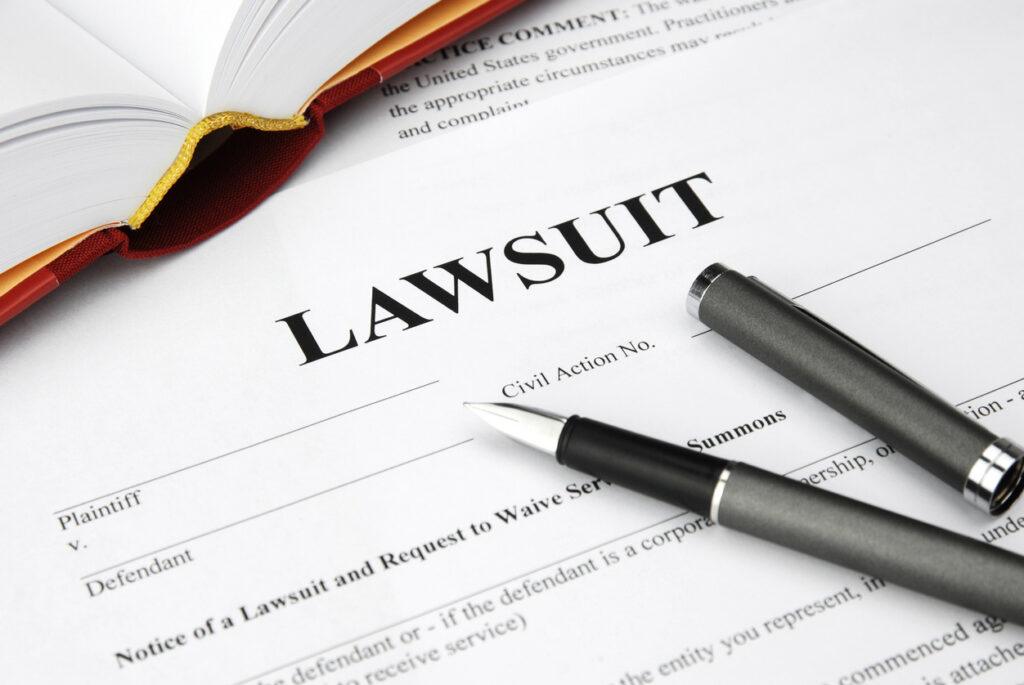
Litigation often serves as a last resort, but certain situations call for court involvement. Early evaluation helps decide whether filing suit makes sense.
Failed Negotiations and Mediation Attempts
When direct talks and mediation fail, litigation may provide the only path forward. Documented negotiation efforts often strengthen a court case.
Significant Financial Harm or Property Damage
Large monetary losses or damage to property value justify legal action. Courts assess evidence of harm and causation.
Clear Breach of Contract or Statutory Violations
Clear violations of written agreements or state statutes support litigation. Well-documented breaches carry more weight in court.
Cost-Benefit Analysis of Litigation
Litigation involves time and expense. A careful review weighs potential recovery against costs and risks.
How Can Alternative Dispute Resolution Help Resolve Real Estate Conflicts?
Alternative dispute resolution, often called ADR, includes mediation and arbitration. These processes offer different paths to resolution outside court.
Mediation as a First Step
Mediation uses a neutral facilitator to guide negotiations. Many real estate disputes resolve at this stage, saving time and expense.
Arbitration Clauses in Real Estate Contracts
Some contracts require arbitration instead of court. Arbitration involves a private decision-maker whose ruling often binds both sides.
Benefits and Limitations of ADR
ADR offers privacy and speed, but limits appeal rights and discovery. Each case requires careful review to choose the right approach.
When Litigation Becomes Necessary
Litigation becomes necessary when ADR fails or lacks authority to grant needed remedies. Courts provide formal enforcement powers.
What Is the Process for Real Estate Litigation in California?
Understanding the steps of litigation helps reduce uncertainty and supports informed decisions throughout the case.
Pre-Litigation Investigation and Demand Letters
Attorneys review documents, interview witnesses, and send demand letters outlining claims and requested relief. Strong preparation often encourages settlement.
Filing a Complaint in Superior Court
The complaint starts the lawsuit and identifies legal claims. In Alameda County, Superior Court rules govern filing and service.
Discovery Process and Evidence Gathering
Discovery allows each side to request documents, take depositions, and gather evidence. This phase shapes trial strategy and settlement talks.
Motion Practice and Summary Judgment
Motions ask the court to decide issues before trial. Summary judgment seeks a ruling based on undisputed facts.
Trial and Potential Appeals
A trial involves presenting evidence and witness testimony. Appeals may follow if legal errors affect the outcome.
How Wade Litigation Can Help

Real estate disputes place pressure on major investments and long-term plans. Our team approaches each case with care, clear communication, and a commitment to practical solutions. We focus on accountability while keeping your goals at the center of every decision.
Comprehensive Case Evaluation and Strategy Development
We start by reviewing contracts, records, and communications tied to the dispute. From there, we build a strategy that reflects your priorities, the applicable law, and the facts that matter most. This early planning helps position your case for productive resolution.
Aggressive Representation in Negotiations and Court
Our attorneys advocate firmly during settlement discussions and, when needed, in court. We prepare each matter as if trial may occur, which often strengthens negotiating leverage and encourages fair outcomes.
Experience with California Real Estate Law and Local Courts
Our work with California real estate statutes and local court procedures informs every step we take. Familiarity with judges, filing rules, and regional practices allows us to act efficiently and avoid missteps.
Protection of Your Property Rights and Financial Interests
We focus on safeguarding ownership rights, contract benefits, and financial stability. Each decision aims to protect what you have worked to build.
Our founder, Amiel Wade, earned statewide recognition as a Top Ten California Attorney in both 2021 and 2022, reflecting peer acknowledgment of his work and dedication.
Frequently Asked Questions About Real Estate Litigation in Pleasanton, CA
How long do I have to file a real estate lawsuit in California?
Deadlines vary by claim type. Breach of written contract claims usually allow up to 4 years, while fraud claims often allow 3 years from discovery.
Can I sue my real estate agent for negligence or misrepresentation?
Agents owe duties of honesty and reasonable care. Lawsuits may proceed when evidence shows misstatements or failure to disclose material facts.
What happens if the other party violates a court order in my real estate case?
Courts may impose sanctions, fines, or enforcement orders. Continued violations may lead to contempt proceedings.
Do I need an expert witness for my real estate litigation case?
Some cases benefit from expert testimony, such as construction defects or valuation disputes. Legal counsel assesses whether expert input strengthens the case.
How much does it cost to hire a real estate litigation attorney in Pleasanton?
Costs depend on case scope and complexity. Many firms discuss fee structures during the initial consultation.
Contact Our Experienced Real Estate Litigation Attorneys in Pleasanton Now
Real estate disputes demand careful legal handling and steady advocacy. Delayed action risks missed deadlines and lost leverage. Wade Litigation offers knowledgeable, focused representation backed by experience in California real estate law. A free case evaluation provides an opportunity to discuss your concerns, understand options, and decide on a path forward with confidence.