

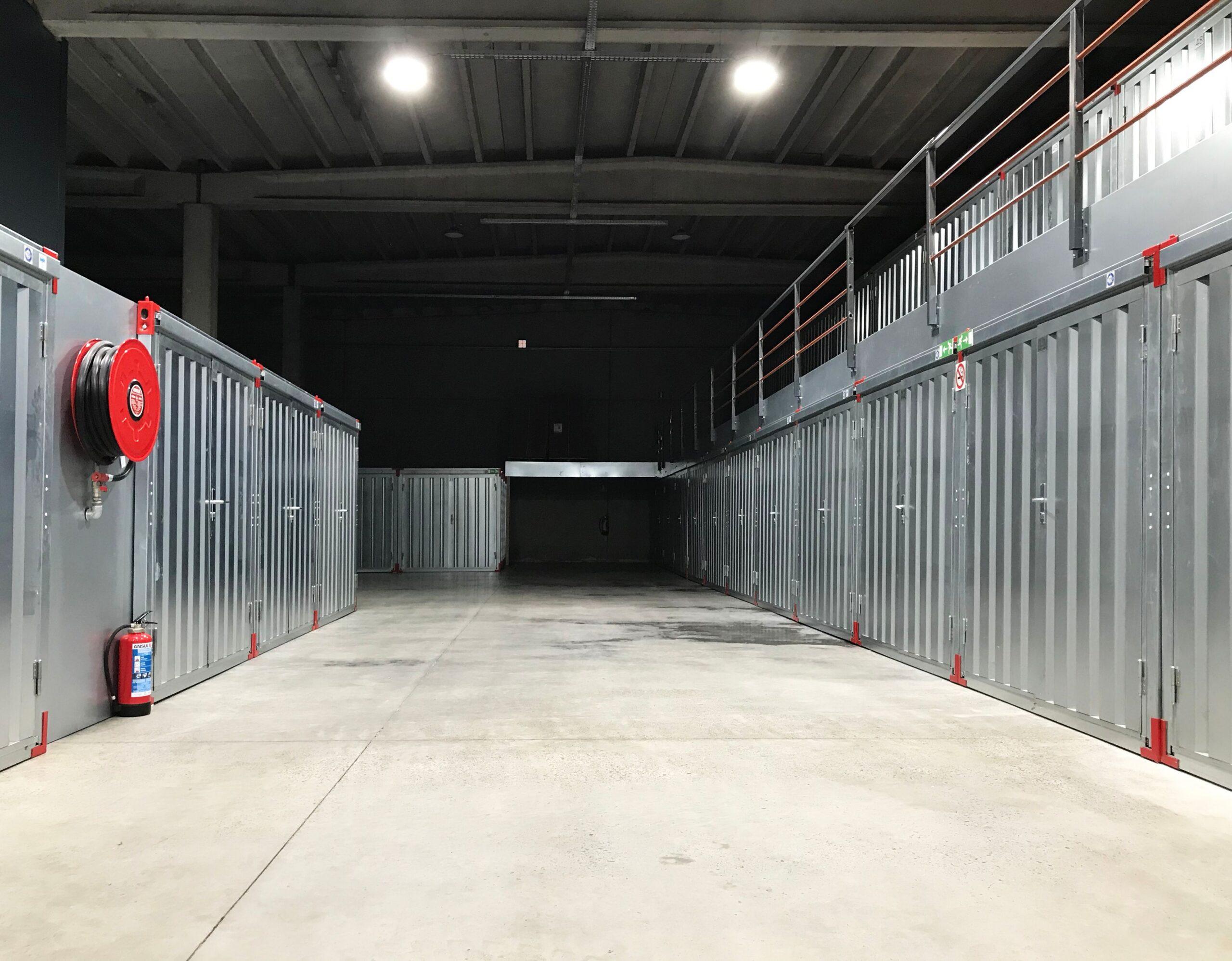
Storage facilities may auction the contents of rented units when customers fail to pay required storage fees. Although these sales allow facility operators to recover unpaid charges, disagreements can arise over auction procedures, missing property, improper notices, or the legality of a sale.
In California, storage unit auctions are governed by specific laws that establish requirements for enforcing storage liens. Courts examine rental agreements, payment records, and compliance with statutory procedures when determining whether an auction was legally conducted.
Understanding Storage Facility Liens
California’s Self-Service Storage Facility Act allows storage operators to claim a lien against certain property stored in a rented unit when charges remain unpaid. This lien provides a legal mechanism for recovering qualifying expenses associated with the storage agreement.
However, operators cannot automatically sell stored belongings whenever a payment becomes overdue. California law establishes procedures that must be followed before a storage lien can be enforced through an auction.
Reviewing Auction Notice Requirements
Before selling stored property, storage operators must provide notices that comply with California’s statutory requirements. These notices generally inform the renter of the outstanding charges, the facility’s lien claim, and the potential consequences of failing to pay.
Disputes may arise when renters claim they never received proper notice or were not given the required opportunity to resolve the debt. Courts examine the timing, content, and delivery of notices to determine whether the facility complied with applicable law.
Challenging Improper Storage Auctions
A renter may challenge an auction when a storage facility allegedly sells belongings without following the required legal procedures. Common disagreements involve premature sales, incorrect payment records, or failures to satisfy statutory notice requirements.
Courts may review rental contracts, account statements, correspondence, and auction documentation. Evidence showing that an operator failed to comply with California’s lien enforcement procedures can affect whether the sale was legally authorized.
Disputes Over Missing or Valuable Property
Storage units may contain furniture, electronics, business equipment, personal documents, or other valuable belongings. When property is sold or removed improperly, renters may seek compensation for losses associated with the facility’s actions.
Courts consider evidence establishing ownership, the property’s condition, and its reasonable value. Photographs, purchase receipts, inventories, and other records may help determine the extent of a claimed loss.
Examining Rental Agreements and Payments
Storage rental agreements establish important terms concerning payment obligations, late fees, access restrictions, and lien enforcement. Disagreements may occur when customers believe they paid their balances or dispute charges imposed by the facility.
Courts examine the agreement alongside payment histories, billing statements, and communications between the parties. Contract provisions must also comply with California law, which may limit the enforceability of certain terms or practices.
How Courts Resolve Storage Auction Disputes
When a storage auction dispute reaches court, the judge may examine whether the facility had a valid lien and complied with the legal requirements for selling stored property. Notice records, payment documentation, and evidence concerning the auction process can be central to the dispute.
Depending on the circumstances, a court may determine that a sale was lawful or award appropriate relief when an operator violated applicable legal requirements. The outcome depends on the rental agreement, the evidence presented, and California’s storage lien laws.
Clients Throughout California
Fields Marked With An ”*” Are Required