Skip to content
Home
About Us
WLG Difference
Client Relationship
Reviews
Firm Awards
Our Team
How Will You Be Billed
Blog
Firm Videos
Practice Areas
Divorce
Civil Litigation
Probate
Family Law
Child Custody
Business Litigation
Real Estate Litigation
Appeals
Press
Locations
Alameda Litigation Attorneys
Bakersfield Litigation Attorneys
Beverly Hills Litigation Attorneys
Fremont Litigation Attorneys
Fresno Litigation Attorneys
Irvine Litigation Attorneys
Los Angeles Litigation Attorneys
Los Gatos Litigation Attorneys
Merced County Litigation Attorneys
Modesto Litigation Attorneys
Newport Beach Litigation Attorneys
Novato Litigation Attorneys
Palo Alto Litigation Attorneys
Pleasanton Litigation Attorneys
Redondo Beach Litigation Attorneys
Riverside Litigation Attorneys
Sacramento Litigation Attorneys
San Bernardino Litigation Attorneys
San Diego Litigation Attorneys
San Francisco Litigation Attorneys
San Jose Litigation Attorneys
San Ramon Litigation Attorneys
Santa Cruz County Litigation Attorneys
Walnut Creek Litigation Attorneys
Founder
Careers
Contact
Home
About Us
WLG Difference
Client Relationship
Reviews
Firm Awards
Our Team
How Will You Be Billed
Blog
Firm Videos
Practice Areas
Divorce
Civil Litigation
Probate
Family Law
Child Custody
Business Litigation
Real Estate Litigation
Appeals
Press
Locations
Alameda Litigation Attorneys
Bakersfield Litigation Attorneys
Beverly Hills Litigation Attorneys
Fremont Litigation Attorneys
Fresno Litigation Attorneys
Irvine Litigation Attorneys
Los Angeles Litigation Attorneys
Los Gatos Litigation Attorneys
Merced County Litigation Attorneys
Modesto Litigation Attorneys
Newport Beach Litigation Attorneys
Novato Litigation Attorneys
Palo Alto Litigation Attorneys
Pleasanton Litigation Attorneys
Redondo Beach Litigation Attorneys
Riverside Litigation Attorneys
Sacramento Litigation Attorneys
San Bernardino Litigation Attorneys
San Diego Litigation Attorneys
San Francisco Litigation Attorneys
San Jose Litigation Attorneys
San Ramon Litigation Attorneys
Santa Cruz County Litigation Attorneys
Walnut Creek Litigation Attorneys
Founder
Careers
Contact
Call For A Consultation
408-214-5225
Open menu
Home
About Us
WLG Difference
Client Relationship
Reviews
Firm Awards
Our Team
How Will You Be Billed
Blog
Firm Videos
Practice Areas
Divorce
Civil Litigation
Probate
Family Law
Child Custody
Business Litigation
Real Estate Litigation
Appeals
Press
Locations
Alameda Litigation Attorneys
Bakersfield Litigation Attorneys
Beverly Hills Litigation Attorneys
Fremont Litigation Attorneys
Fresno Litigation Attorneys
Irvine Litigation Attorneys
Los Angeles Litigation Attorneys
Los Gatos Litigation Attorneys
Merced County Litigation Attorneys
Modesto Litigation Attorneys
Newport Beach Litigation Attorneys
Novato Litigation Attorneys
Palo Alto Litigation Attorneys
Pleasanton Litigation Attorneys
Redondo Beach Litigation Attorneys
Riverside Litigation Attorneys
Sacramento Litigation Attorneys
San Bernardino Litigation Attorneys
San Diego Litigation Attorneys
San Francisco Litigation Attorneys
San Jose Litigation Attorneys
San Ramon Litigation Attorneys
Santa Cruz County Litigation Attorneys
Walnut Creek Litigation Attorneys
Founder
Careers
Contact
Home
About Us
WLG Difference
Client Relationship
Reviews
Firm Awards
Our Team
How Will You Be Billed
Blog
Firm Videos
Practice Areas
Divorce
Civil Litigation
Probate
Family Law
Child Custody
Business Litigation
Real Estate Litigation
Appeals
Press
Locations
Alameda Litigation Attorneys
Bakersfield Litigation Attorneys
Beverly Hills Litigation Attorneys
Fremont Litigation Attorneys
Fresno Litigation Attorneys
Irvine Litigation Attorneys
Los Angeles Litigation Attorneys
Los Gatos Litigation Attorneys
Merced County Litigation Attorneys
Modesto Litigation Attorneys
Newport Beach Litigation Attorneys
Novato Litigation Attorneys
Palo Alto Litigation Attorneys
Pleasanton Litigation Attorneys
Redondo Beach Litigation Attorneys
Riverside Litigation Attorneys
Sacramento Litigation Attorneys
San Bernardino Litigation Attorneys
San Diego Litigation Attorneys
San Francisco Litigation Attorneys
San Jose Litigation Attorneys
San Ramon Litigation Attorneys
Santa Cruz County Litigation Attorneys
Walnut Creek Litigation Attorneys
Founder
Careers
Contact
Blog
Home
|
Blog
Categories
Categories
Select Category
About us
Breach Of Contract
Business Litigation
Child Support & Custody Disputes
Civil Litigation
Custody
Divorce
Divorce Disputes
Domestic Violence & Restraining Orders
Family Law
Firm News
Institutional
Legal Education
Legal Strategy
Press Released
Probate & Estate Litigation
Probate Litigation
Real Estate Litigation
Uncategorized
Archives
Archives
Select Month
October 2026
September 2026
August 2026
July 2026
June 2026
May 2026
April 2026
March 2026
February 2026
January 2026
December 2025
November 2025
October 2025
September 2025
August 2025
July 2025
June 2025
May 2025
April 2025
March 2025
February 2025
January 2025
December 2024
November 2024
October 2024
September 2024
August 2024
July 2024
June 2024
May 2024
April 2024
March 2024
February 2024
January 2024
December 2023
November 2023
October 2023
September 2023
August 2023
July 2023
June 2023
May 2023
March 2023
February 2023
August 2022
July 2022
June 2022
April 2022
March 2022
November 2021
May 2021
April 2021
March 2021
January 2021
June 2020
April 2020
March 2020
December 2019
November 2019
September 2019
December 2017
September 2012
Search for:
Blog Post
How Courts Evaluate Shareholder Inspection Rights
Blog Post
How Courts Resolve Disputes Over Escrow Funds
Blog Post
How Courts Evaluate Commercial Lease Disputes
Blog Post
How Courts Evaluate Defective Construction Claims
Blog Post
Dividing a Family Business in a California Divorce: Valuation and Buyout
Blog Post
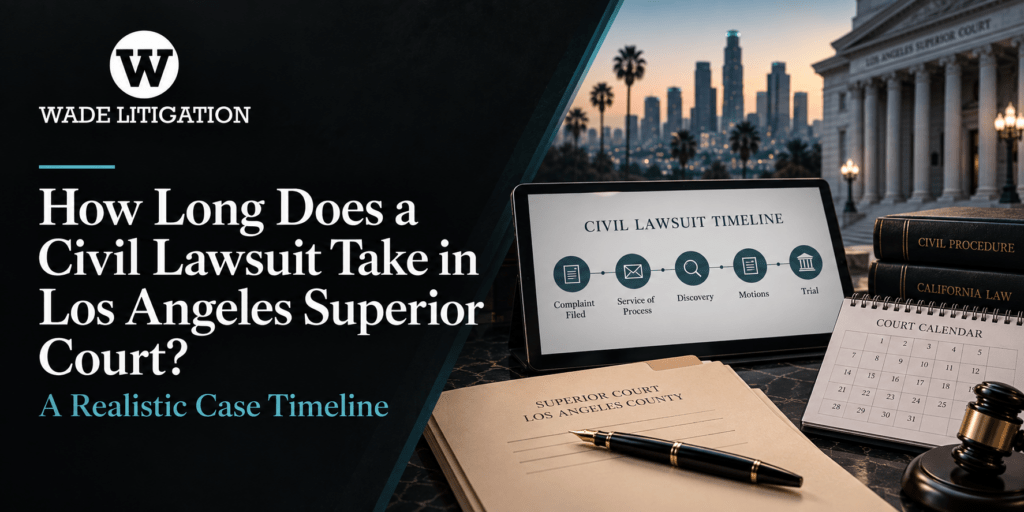
How Long Does a Civil Lawsuit Take in Los Angeles Superior Court?
Previous
Page
1
…
Page
5
Page
6
Page
7
Page
8
Page
9
…
Page
79
Next