

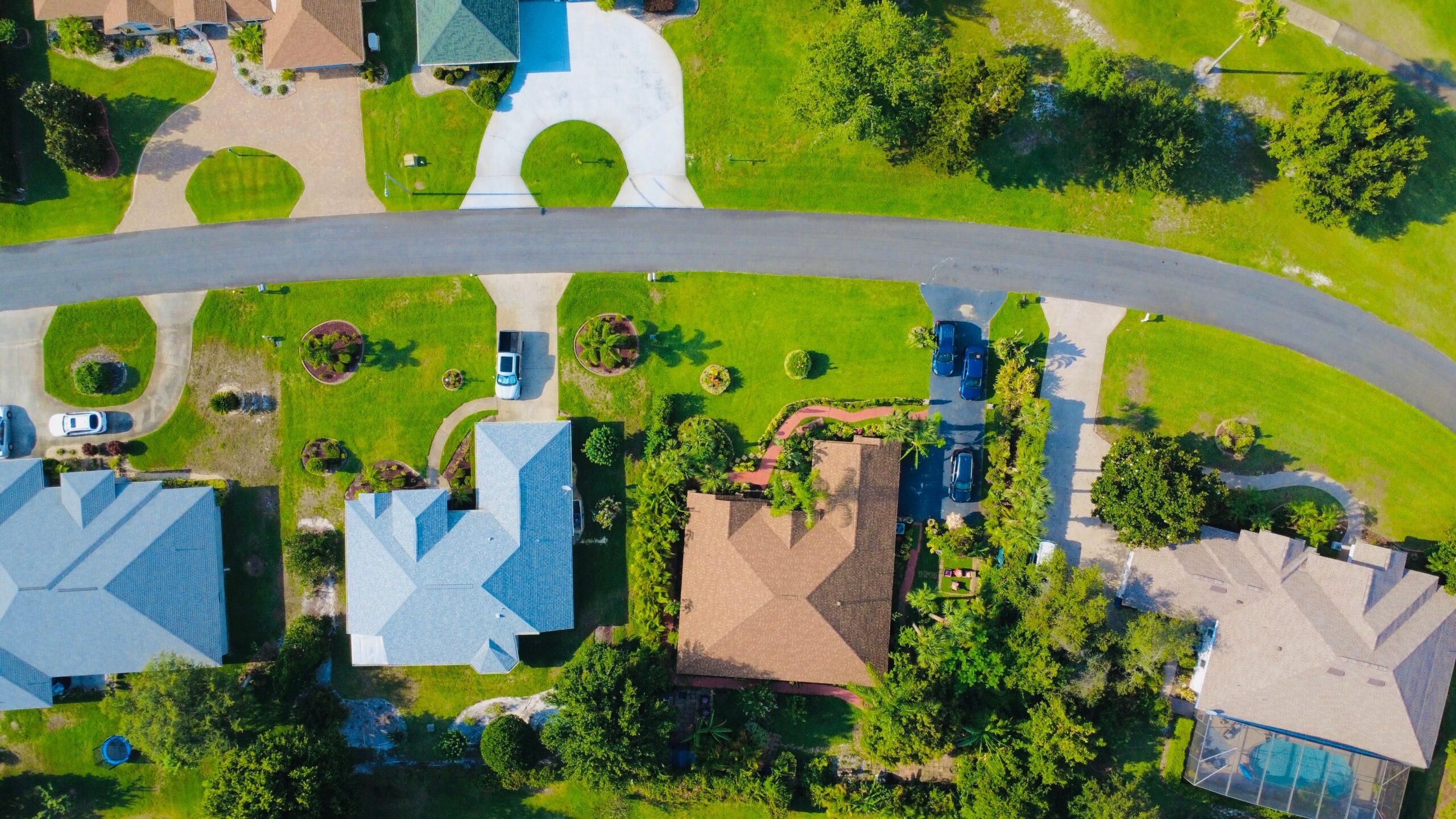
Partition in kind disputes arise when multiple people own the same property and disagree about how it should be divided. In California, co-owners may seek a court-ordered partition when they cannot agree on the future ownership or use of jointly held real estate.
Unlike partition by sale, which involves selling the property and dividing the proceeds, partition in kind involves physically dividing the property into separate portions. Courts examine whether a fair and practical division is possible while protecting the ownership interests of everyone involved.
Understanding Partition in Kind in California
Partition in kind allows jointly owned real estate to be divided into separate parcels rather than sold. These disputes commonly involve inherited land, family-owned property, or real estate held by multiple individuals with different ownership interests.
California courts generally favor physical division when it can be accomplished fairly under applicable law. However, certain properties may be difficult to divide because of their size, layout, existing structures, or other practical limitations.
Examining Property Ownership Interests
Before determining how property should be divided, courts examine the ownership interests of the parties involved. Deeds, title records, inheritance documents, and other agreements may help establish each co-owner’s legal share.
Courts also consider whether the parties have unequal ownership percentages or other recognized property rights. These details can affect how separate parcels are allocated and whether additional financial adjustments are necessary.
Evaluating the Feasibility of Physical Division
A central issue in partition in kind disputes is whether the property can be divided into usable portions. Courts may examine the property’s acreage, configuration, access points, zoning restrictions, and existing improvements.
For example, a large undeveloped parcel may be easier to divide than a small residential lot containing a single home. Courts consider whether the proposed division would create practical problems or significantly affect the property’s value.
Reviewing Property Surveys and Valuations
Property surveys and professional valuations can help courts determine how land might be divided. Surveys identify boundaries and physical features, while appraisals provide information about the value of different portions.
Courts may also consider access roads, utilities, and other features that affect the usefulness of each parcel. This information helps determine whether the proposed division would fairly reflect the parties’ ownership interests.
Addressing Unequal Property Divisions
Physical division does not always produce parcels of equal value, even when the co-owners hold equal ownership interests. Differences in location, development potential, and access may make one portion more valuable than another.
In appropriate circumstances, courts may order financial adjustments to address these differences. Such payments can help balance the value received by each co-owner without requiring the entire property to be sold.
Determining the Appropriate Partition Remedy
When resolving a partition dispute, California courts consider whether physical division is appropriate under the applicable legal framework. For properties governed by California’s Partition of Real Property Act, additional procedures and considerations may apply, including special protections for certain inherited properties.
If partition in kind is feasible and legally appropriate, the court may order the property divided into separate ownership interests. When a fair physical division cannot be achieved, the court may consider partition by sale or another remedy authorized by California law.
Clients Throughout California
Fields Marked With An ”*” Are Required