

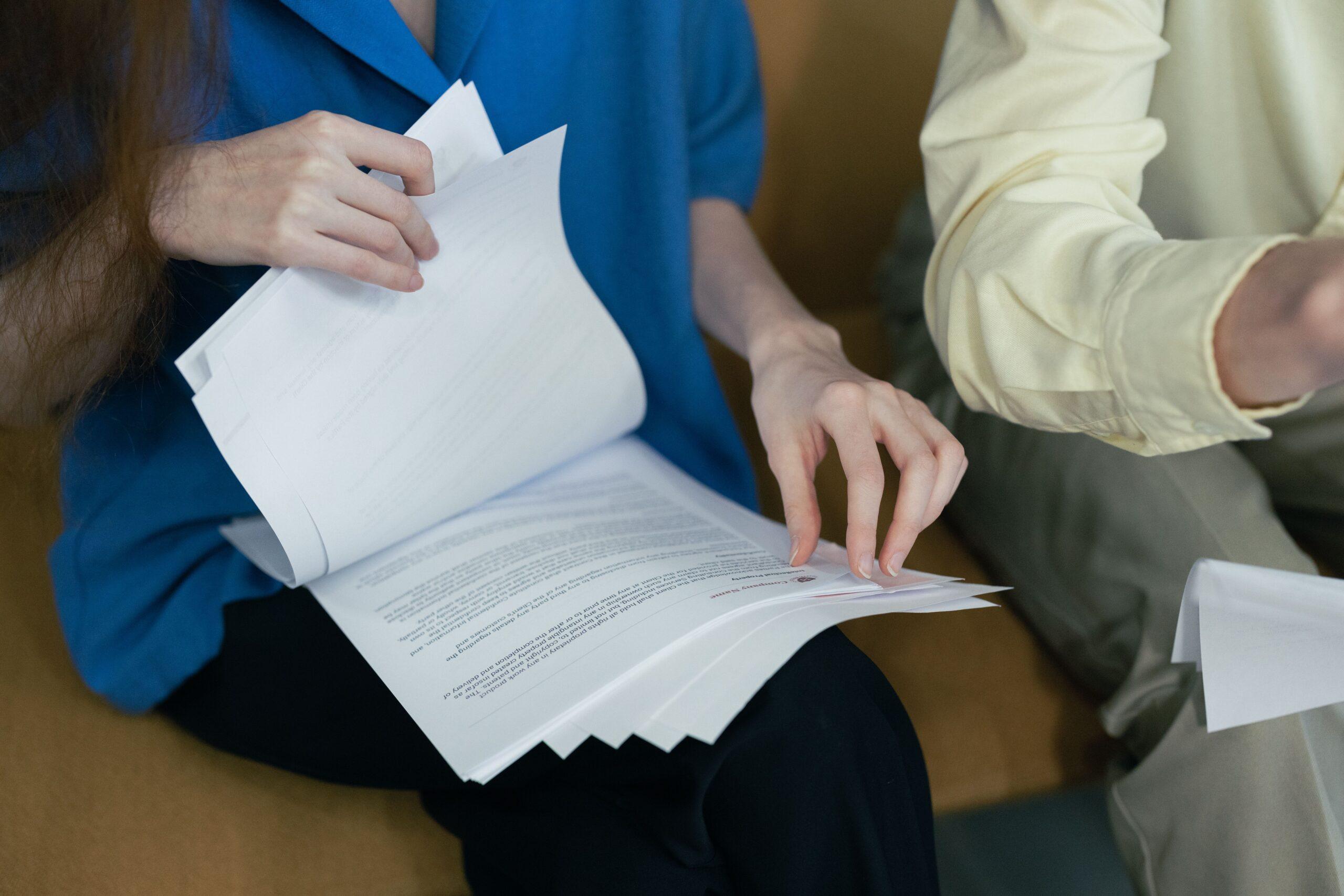
Many people associate court proceedings with the presentation of evidence and the resolution of factual disputes. While some hearings do focus heavily on what happened and why, not every court appearance is designed to determine the underlying facts of a case.
In many situations, courts hold hearings that primarily address procedural issues. Understanding why some hearings focus on procedure instead of facts helps explain how litigation progresses and how courts manage cases before reaching substantive disputes.
The Difference Between Procedure and Facts
Facts generally involve the events, actions, and circumstances that gave rise to a legal dispute. Procedural issues, by contrast, involve the rules and processes that govern how a case moves through the legal system.
Both play important roles in litigation. However, courts often address procedural matters separately from factual questions because they serve different purposes within the judicial process.
Why Courts Address Procedure Early
Many procedural issues arise before a court is prepared to examine the underlying facts of a dispute. Questions involving scheduling, filings, deadlines, service requirements, or case management may need to be resolved before the litigation can proceed efficiently.
By addressing these matters early, courts can establish a framework that helps guide the remainder of the case. This allows later proceedings to focus more effectively on disputed issues.
How Procedural Hearings Help Manage Cases
Courts oversee large numbers of cases at the same time. Procedural hearings provide opportunities to monitor progress, resolve administrative concerns, and ensure that litigation continues moving forward.
These hearings often help clarify what issues remain unresolved, what steps must occur next, and whether the parties are complying with applicable rules and deadlines.
Why Facts May Not Be the Immediate Focus
A court does not always need to determine the truth of disputed facts at every stage of litigation. Certain hearings are designed to address questions about process rather than the merits of the claims themselves.
As a result, parties may spend significant time discussing procedural matters even when important factual disagreements still exist. The court may reserve those factual issues for later proceedings where they can be examined more fully.
How Procedure Supports Fairness and Efficiency
Procedural rules help create an organized structure for litigation. Hearings that focus on procedure allow courts to apply those rules consistently while promoting orderly case management.
Without procedural oversight, disputes could become more difficult to manage and important requirements could be overlooked. Procedural hearings help ensure that the litigation process remains structured and predictable.
Why Procedural Hearings Matter
Procedural hearings demonstrate that litigation involves more than resolving factual disputes. Courts must also manage the processes that allow cases to move from filing to resolution in a fair and organized manner.
Understanding why some court hearings focus on procedure instead of facts helps explain how judicial systems maintain order, address administrative issues, and prepare cases for the stages where factual disputes may ultimately be decided.
Clients Throughout California
Fields Marked With An ”*” Are Required