California parents typically want to do right by their children. In some cases, that may mean making difficult decisions that could affect their children for the rest of their lives. For example, if one parent believes that the other parent should not have custody in a divorce, child custody disputes could arise.
Child custody conflicts
Deciding to fight for sole custody can be a touchy ordeal. The other parent may not feel that sole custody is right for the situation, and as a result, the decision will likely come down to the judge involved in the case. Of course, certain details could warrant a parent pursuing sole custody, such as the other parent not being reliable or available. Parents would not have to be in much contact, which could lessen the chances of conflict, and the children may have more stability instead of having to move back and forth often between homes. Still, sole custody usually does not come easy, and because the other parent may not agree with this possible outcome, more conflict could result until the judge makes the final decision. Additionally, sole custody would mean that the noncustodial parent would have less time with the children, which could lead to a weaker relationship. Due to possible resentment toward the custodial parent, the noncustodial parent could even withdraw from his or her children. Child custody disputes can arise for a number of reasons, even when parents believe that joint custody could work. If a California parent wishes to pursue sole custody, it is wise to prepare for the court proceedings as best as possible. Individuals anticipating a custody battle may want to go over their legal options with their legal counsel.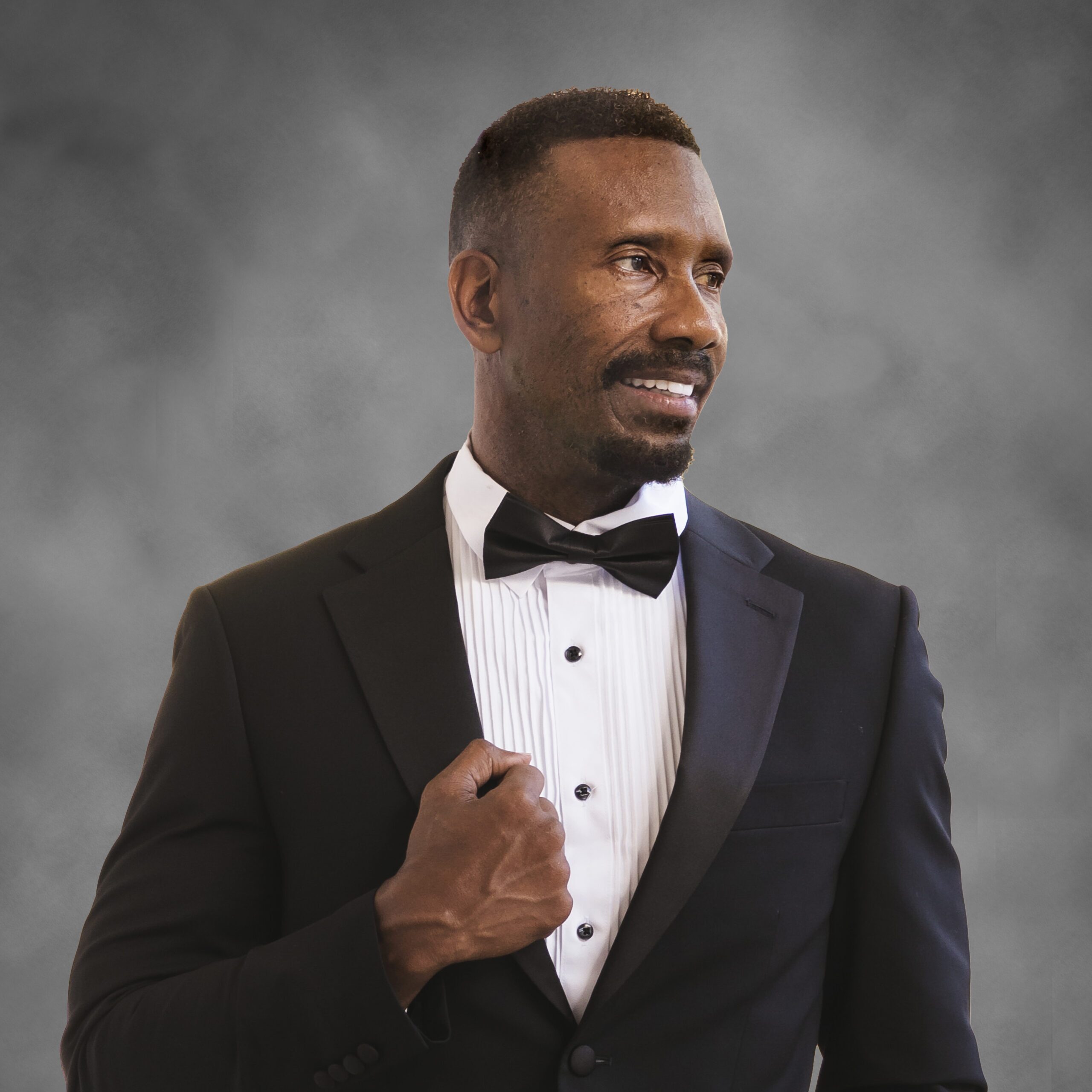
Amiel Wade
Founder and Managing Partner
Amiel is the firm’s Founder, President and Managing Partner. He specializes in civil litigation, conducting jury trials in complex cases and in helping individuals and businesses in every phase of their development. He has been practicing law for over twenty-five years. He also has served as both a judge pro tem and an arbitrator for the Santa Clara County Superior Court, and has guest lectured at Stanford University.
Author's Bio