A Palo Alto child custody attorney represents parents in Santa Clara County Superior Court on California child custody matters involving legal custody, physical custody, visitation schedules, and relocation disputes. California courts decide custody based on the best interest of the child, not on which parent earns more or which parent moved out first. Wade Litigation offers a case evaluation to review your parenting plan, your custody goals, and what evidence the court will expect to see.
Custody disputes in Palo Alto often carry a particular pressure: two working parents, frequently in demanding technology or research careers, trying to structure a schedule around unpredictable work travel, on-call obligations, and school schedules tied to some of the state’s most competitive public and private school districts. Santa Clara County family courts do not treat a parent’s career demands as disqualifying, but they do expect both parents to show they can provide a stable, consistent home environment regardless of professional obligations.
How California Decides Custody
For background on how these arrangements differ, see our guide to the different types of child custody arrangements in California. California Family Code sections 3003 and 3004 authorize courts to award joint or sole legal custody and joint or sole physical custody, and courts evaluate these two categories separately.
Legal custody determines who makes major decisions about the child’s health, education, and welfare. Physical custody determines where the child primarily lives and the parents’ time-share schedule. A parent can have joint legal custody while the other parent has primary physical custody, and the two do not have to match.
Every custody decision in California is governed by the best-interest-of-the-child standard. Courts consider the child’s health and safety, the stability of each proposed living situation, each parent’s willingness to support the child’s relationship with the other parent, and, when the child is old enough, the child’s preference. A documented history of domestic violence or substance abuse weighs heavily against the parent involved and can override other factors entirely.
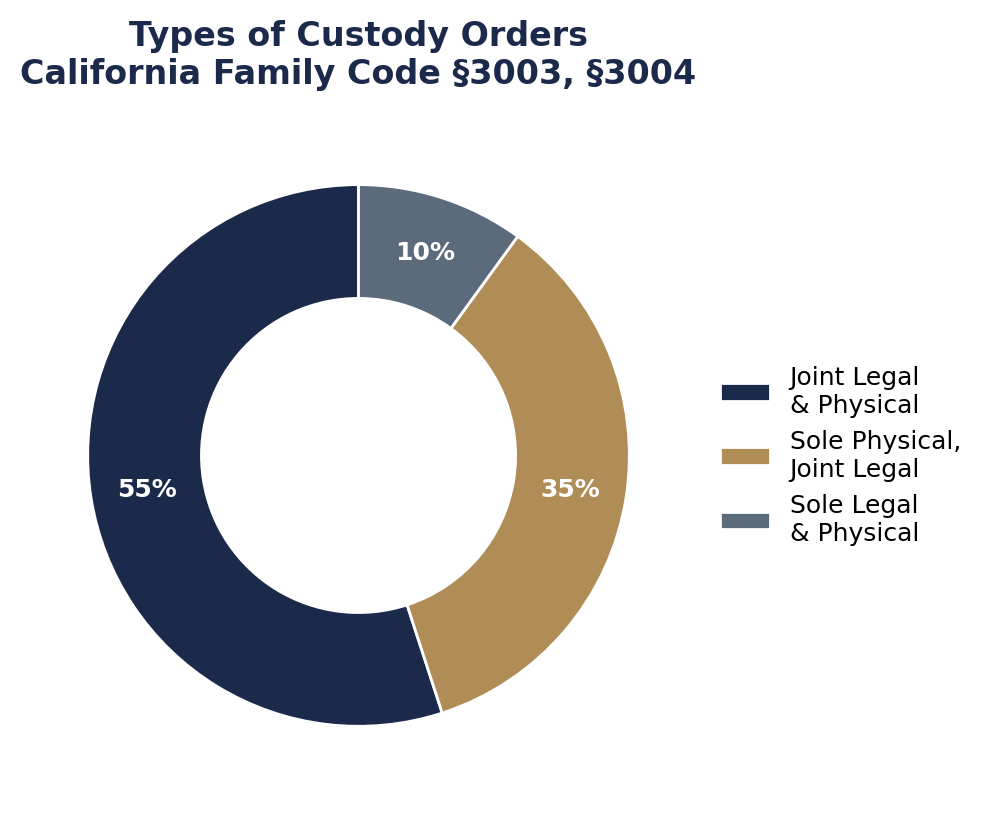
Figure 1: General distribution of custody order types under California Family Code sections 3003 and 3004.
Best-Interest Factors Santa Clara County Courts Weigh
While every case is decided on its own facts, certain factors consistently carry more weight in Santa Clara County family courtrooms. Health and safety concerns and any documented history of abuse sit at the top of the list, followed closely by the stability of each parent’s proposed home and each parent’s demonstrated willingness to cooperate on co-parenting logistics.
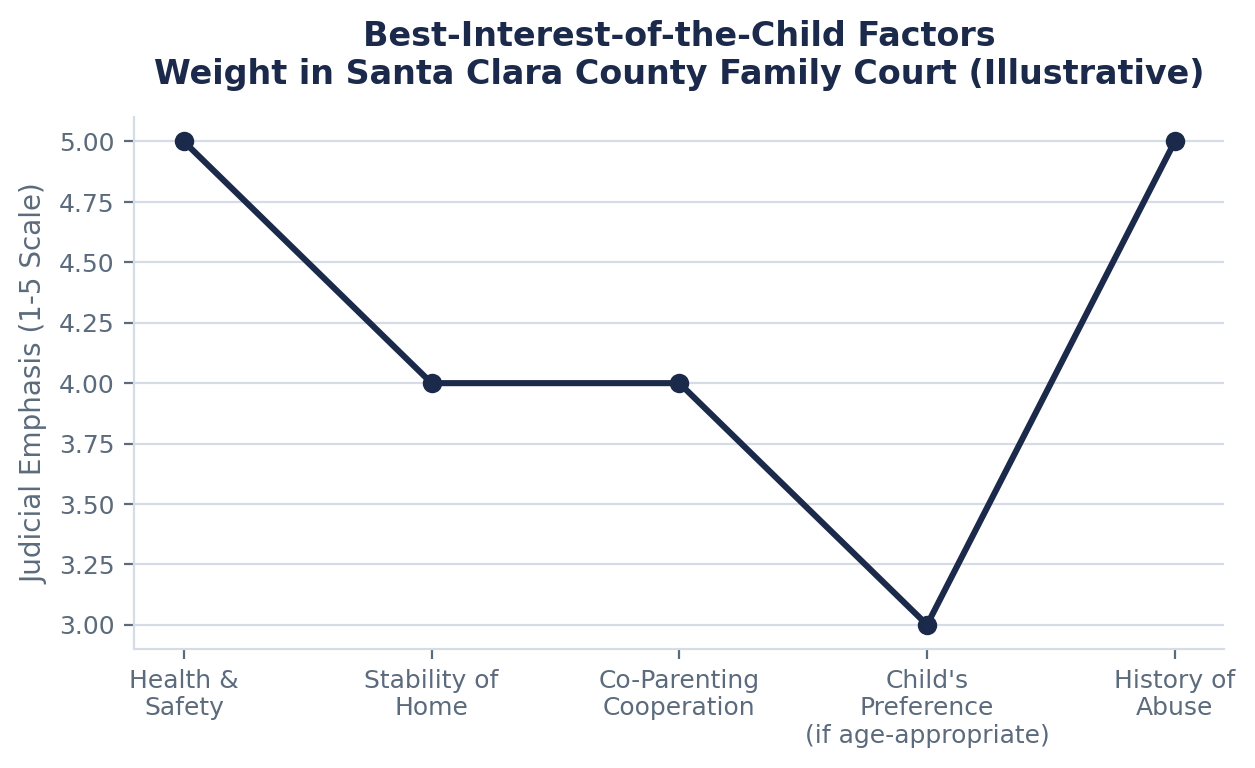
Figure 2: Illustrative judicial emphasis across common best-interest factors in family court custody determinations.
Modifying an Existing Custody Order
A custody order is not permanent. Either parent can request a modification, but California requires the requesting parent to show a significant change in circumstances since the last order. Common grounds in Palo Alto cases include a parent relocating for a new job, a change in work schedule that no longer fits the existing time-share, a documented safety concern, or a shift in the child’s needs as they get older, such as a school change that affects which parent’s home is more practical for the daily commute.
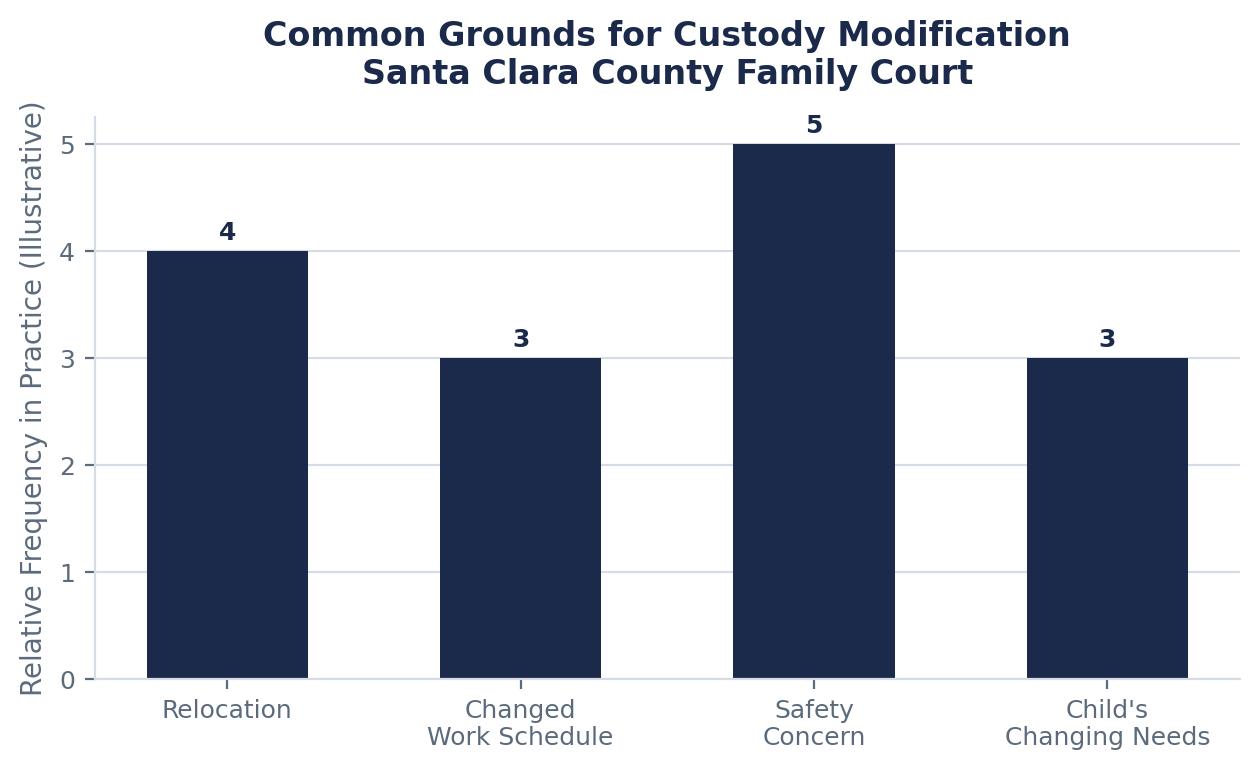
Figure 4: Common grounds for custody modification requests in Santa Clara County family court practice (illustrative).
Relocation cases deserve particular attention in a market like Palo Alto, where a parent’s employer may require a move to another office, another state, or even internationally. California law does not automatically favor either the relocating parent or the parent staying behind. Before approving or denying a relocation request, the court will examine the reasons for the move, the existing custody arrangement, and the move’s impact on the child’s relationship with the non-moving parent.

Legal Custody Disputes Over Education and Medical Decisions
Even parents who agree on a physical custody schedule can end up in dispute over legal custody decisions, particularly around school selection in a region with competitive public school boundaries and a dense private school market, or around medical decisions involving therapy, medication, or elective procedures. When joint legal custody parents cannot agree, either parent can ask the court to resolve the specific dispute or, in more contentious cases, request a shift to sole legal custody over the disputed decision area.
Custody Evaluations and the Role of Family Court Services
In contested custody cases, Santa Clara County Family Court Services may order parents to attend mediation before the matter goes before a judge, and in more disputed cases, the court can appoint a child custody evaluator to interview the parents, observe the children, and issue a written recommendation. These evaluations carry substantial weight with the judge, so how a parent presents during the evaluation process, and how well their attorney has prepared them for it, often shapes the outcome as much as the underlying facts of the case.
Wade Litigation prepares clients for custody evaluations by reviewing what evaluators typically look for: consistency between the parent’s stated parenting philosophy and their actual daily involvement, the condition and appropriateness of the home environment, and the parent’s ability to speak about the other parent without hostility in front of the child. Parents who go into an evaluation unprepared often unintentionally undermine their own position by focusing on grievances against the other parent rather than on the child’s needs.
Comparison: Mediated Custody Agreement vs. Litigated Custody Order
|
Factor |
Mediated Agreement |
Litigated Order |
|
Typical Duration |
2 to 5 months |
8 to 14 months |
|
Decision-Maker |
Both parents |
Judge |
|
Flexibility |
Custom schedule terms |
Standardized order language |
|
Ongoing Cooperation |
Often improves |
Can remain adversarial |
Holiday Schedules and Travel Provisions
A surprising share of post-judgment custody disputes in Palo Alto trace back to vague or missing language around holidays, school breaks, and travel notice rather than the core weekly schedule. Parents with international ties, a common feature in Silicon Valley families, often need travel provisions that address passport control, advance notice requirements, and how international trips interact with the standard time-share. Building these terms into the original custody order, rather than leaving them to informal agreement, prevents many disputes from ending up back in front of a judge.
What This Means for Your Case
If you are heading into a custody dispute in Palo Alto, the strongest position is one built on documentation: a clear parenting plan proposal, a record of your involvement in the child’s daily life, and evidence addressing any safety or stability concerns before the other parent raises them. Wade Litigation helps parents build that record early rather than reacting to allegations after they are already in front of a judge.
Objections We Commonly Address
Parents sometimes hesitate to involve an attorney in a custody matter because they hope to resolve things informally with the other parent, or because they fear that hiring an attorney will make the dispute more adversarial. In practice, a well-structured parenting plan proposal drafted with legal guidance often resolves the matter faster than an informal agreement that later falls apart over an ambiguous term, since vague language about school breaks, holidays, or travel notice is one of the most common sources of renewed disputes.
What Happens When You Call
When you call Wade Litigation, the intake team will ask about your current custody arrangement, your children’s ages, and the specific issue prompting your call, whether that is a first-time custody filing, a modification request, or a relocation concern. During your case evaluation, an attorney will walk through your parenting plan goals and explain what documentation will strengthen your position before your next court date or negotiation session.
Related Reading
For more on how California approaches custody matters, see our guides on the different types of child custody arrangements, custody laws and unmarried parents, and how child preferences influence custody decisions, along with our overview of filing for divorce in Santa Clara County when custody and divorce proceedings overlap.
Frequently Asked Questions
Explore Related Palo Alto Practice Areas
If custody is being decided alongside a divorce, see our Palo Alto divorce attorney page, or for the broader family law picture, our Palo Alto family law attorney page. You can also view our full Palo Alto office overview for every practice area we handle in Santa Clara County.
Speak With a Palo Alto Child Custody Attorney
Amiel Wade, founding attorney and a Top Ten California Family Law Attorney, has represented Santa Clara County parents through custody disputes ranging from first-time parenting plans to contested relocation cases. Call to schedule a case evaluation and get a clear view of your custody options.