

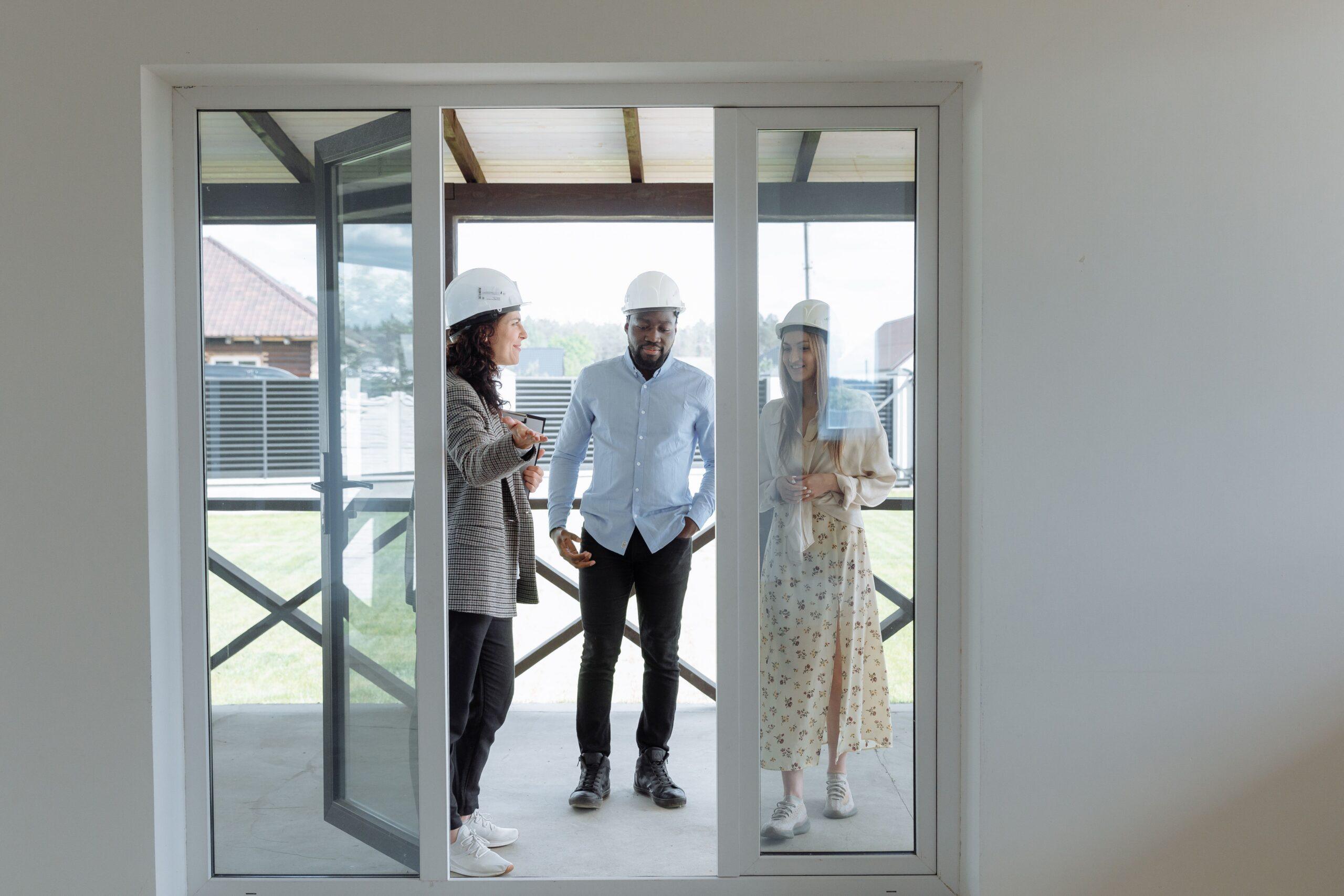
Construction defect claims can arise when a building or improvement does not perform as expected because of problems with design, materials, workmanship, or construction. Disputes may involve homeowners, developers, contractors, architects, engineers, or other parties involved in a project.
California courts may examine the nature of the alleged defect, the evidence showing what went wrong, the responsibilities of the parties involved, and the damages claimed. The applicable legal requirements can also depend on the type of property and the nature of the defect.
How Courts Determine Whether a Construction Defect Exists
Courts may first examine whether the condition at issue qualifies as a construction defect. This can involve reviewing the design, materials, workmanship, or construction methods used during the project and determining whether they failed to meet applicable requirements or contractual obligations.
The distinction between patent and latent defects can also be important. A patent defect is generally one that would be apparent through a reasonable inspection, while a latent defect is not readily apparent. California courts may consider whether an ordinary inspection would have revealed the condition when determining how the claim should be treated.
How Courts Evaluate the Evidence of a Defect
Courts may review construction plans, contracts, inspection records, photographs, repair records, communications, and other documents when evaluating an alleged defect. Evidence showing when a problem developed and how it affected the property can also be significant.
Expert testimony may play an important role in construction disputes, particularly when the alleged defect involves technical questions about design, engineering, materials, or workmanship. Courts may consider whether the evidence establishes what caused the condition and whether the claimed damage is connected to the alleged defect.
How Courts Determine Who May Be Responsible
Construction projects can involve many different participants, and courts may examine each party’s role before determining whether liability exists. Depending on the circumstances, a claim may involve a contractor, subcontractor, architect, engineer, developer, or another participant in the project.
The court may review contracts and project records to determine what responsibilities each party assumed. The legal theory asserted can also affect what a claimant must establish and what defenses may be available to the party accused of causing the defect.
How Courts Evaluate Construction Defect Deadlines
The deadline for bringing a construction defect claim can depend on the nature of the defect and the legal theory involved. California law generally provides different limitation periods for patent and latent construction defects, with some claims subject to deadlines measured from substantial completion and others involving the discovery of the defect.
For latent construction defects, California law includes a ten-year outside limitation period measured from substantial completion under Code of Civil Procedure section 337.15. Other claims may be subject to different limitation periods, so courts may examine the nature of the alleged injury and the applicable cause of action when determining whether a lawsuit was timely.
How Courts Evaluate Residential Construction Defects
Residential construction claims can involve additional requirements under California’s Right to Repair Act. The Act establishes standards for residential construction and provides a prelitigation process that generally gives builders notice of alleged defects and an opportunity to offer repairs before litigation proceeds.
Courts may therefore examine whether the statutory requirements were followed and whether the alleged condition falls within the standards established for residential construction. The specific requirements can depend on the type of defect and the circumstances surrounding the claim.
How Courts Evaluate Damages From Construction Defects
Courts may consider the nature and extent of the damage when determining what remedies may be available. Depending on the circumstances, claimed losses can involve repair costs, damage to other property, loss of use, or other losses supported by the applicable legal theory.
The court may also examine whether the claimed damages were actually caused by the alleged construction defect and whether the evidence supports the amount requested. Clear documentation of the condition, necessary repairs, and resulting losses can therefore be important when evaluating a construction defect claim.
Clients Throughout California
Fields Marked With An ”*” Are Required