

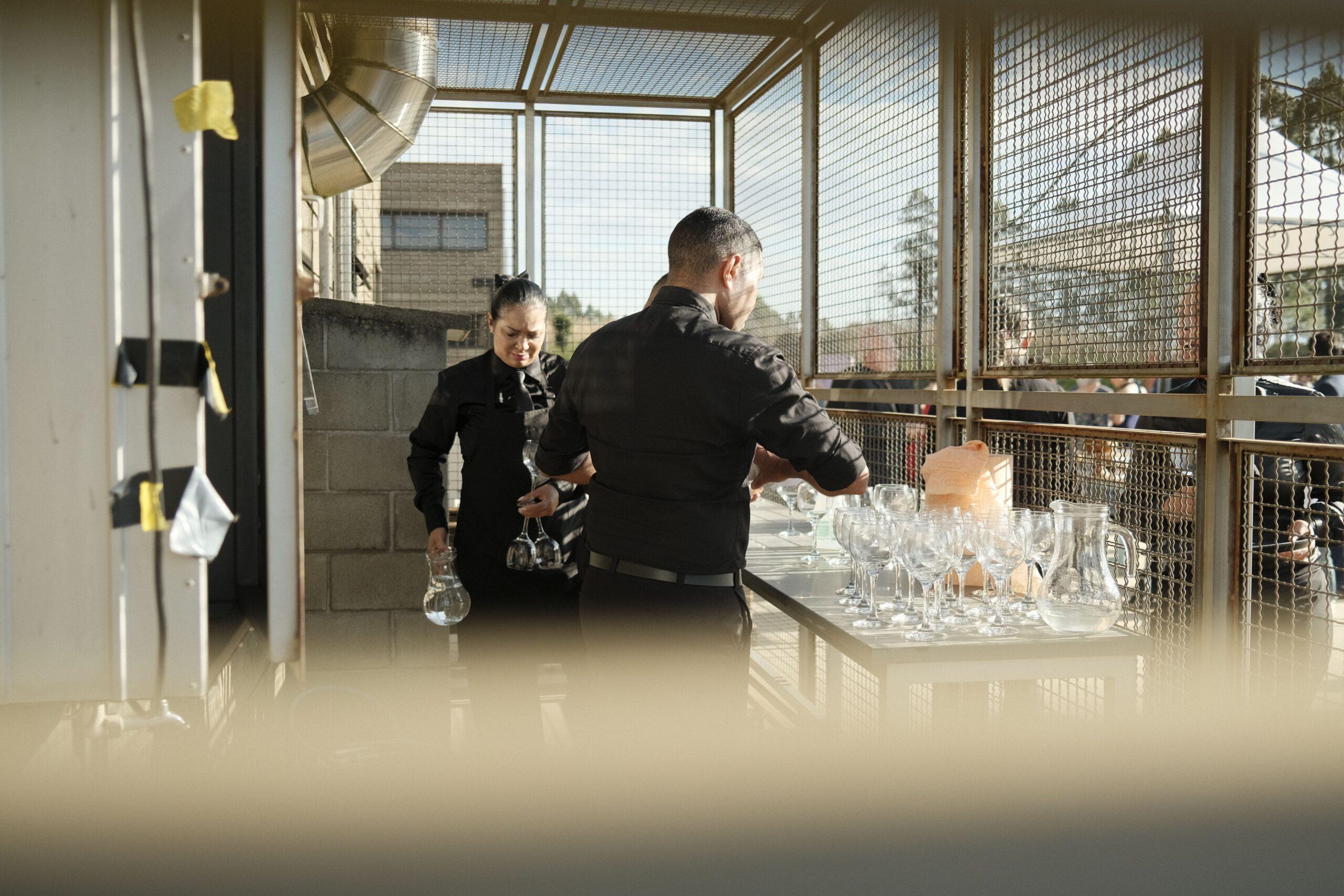
Event services agreements can establish the terms under which a business provides services for conferences, corporate events, celebrations, or other organized gatherings. These agreements may address staffing, equipment, scheduling, setup, pricing, and other responsibilities.
When disagreements develop, courts may examine the agreement alongside event plans, invoices, schedules, communications, and other records. These materials can help show what services were expected and how the event arrangements were carried out.
How Courts Examine the Event Services Agreement
The agreement can provide an important starting point for identifying the responsibilities of the event service provider and the client. Courts may examine provisions addressing the services being provided, pricing, scheduling, staffing, equipment, and other event arrangements.
Proposals, order forms, event plans, and communications may provide additional information about the relationship, particularly when courts need to look beyond the text of the agreement. These records can help document the services the parties arranged before the event occurred.
How the Scope of Services Becomes Relevant
Event service providers may be responsible for setup, equipment, staffing, coordination, audiovisual support, decorations, or other services. Disputes can develop when the parties disagree about which responsibilities were included in their arrangement.
Service descriptions, proposals, event plans, and communications can help document the expected scope of work. These materials may also show whether additional services were requested as planning progressed.
How Scheduling Can Affect the Dispute
Event services often depend on specific dates and times for setup, operation, and removal of equipment or materials. Scheduling disagreements can become important when services are delayed or provided at a different time than expected.
Event schedules, calendars, staffing records, and communications can help document relevant timing. These records may also show whether the parties discussed or approved changes before the event. Some agreements make services contingent on a deposit or venue confirmation, which courts may treat as conditions precedent.
How Equipment Becomes Relevant
Some event services agreements involve equipment such as lighting, sound systems, staging, furniture, displays, or audiovisual technology. Disputes may involve the type, quantity, condition, or availability of equipment provided for the event.
Equipment lists, rental records, photographs, delivery documents, and communications can provide information about what was requested and supplied. These materials may help document disagreements involving event equipment. When equipment is damaged or a guest is injured, an indemnification clause may determine which party bears the loss.
How Payment Disputes Can Develop
Payment disagreements may involve deposits, remaining balances, additional services, equipment charges, or other event-related expenses. The agreement may establish pricing and identify when particular payments become due.
Invoices, receipts, payment records, and communications can help document the financial relationship. These materials may also show whether additional charges resulted from changes made during event planning.
Why Event Services Agreement Disputes Matter
Events often require multiple services to be coordinated within a limited period of time. Disagreements involving scheduling, staffing, equipment, or payment can therefore affect both the event and the parties’ financial relationship.
In California, claims for breach of a written contract generally must be filed within four years, and claims based on an oral agreement within two years, under Code of Civil Procedure Sections 337 and 339, so statutes of limitations should be considered early. Clear service descriptions and organized event records can help document the parties’ arrangements. Proposals, schedules, equipment lists, invoices, and communications can provide important information when an event services dispute develops.
Cancellation, Force Majeure, and Deposits
Cancellation is one of the most common sources of event services disputes. Many agreements include cancellation schedules that allow a vendor to keep some or all of a deposit depending on how close to the event the cancellation occurs. California Civil Code Section 1671 generally allows liquidated damages provisions in commercial contracts unless the party challenging them shows the amount was unreasonable under the circumstances when the contract was made.
Force majeure clauses may excuse performance when events beyond the parties control, such as natural disasters, government orders, or venue closures, prevent the event from going forward. Courts interpret these clauses according to their specific language. When the agreement has no such clause, Civil Code Section 1511 and the doctrines of impossibility and frustration of purpose may excuse performance in limited circumstances, although courts apply them narrowly.
Damages in Event Services Disputes
Damages for breach of an event services agreement are generally intended to put the injured party in the position it would have been in had the contract been performed. Under Civil Code Section 3300, recoverable damages include amounts that proximately result from the breach or that were likely to result in the ordinary course of things. A client may recover the extra cost of hiring a replacement vendor, while a vendor may recover unpaid fees, less any costs it saved by not performing.
The injured party also has a duty to take reasonable steps to mitigate its losses, such as promptly booking a substitute vendor or rebooking a canceled date with another client. Lost profits may be recoverable when they can be proven with reasonable certainty. Emotional distress damages are generally not available for an ordinary breach of contract, even when the event had personal significance.
Frequently Asked Questions About Event Services Agreements
Can I get my deposit back if the vendor cancels?
If the vendor cancels without a valid contractual or legal excuse, the client may generally recover the deposit and may be entitled to additional damages, such as the increased cost of hiring a replacement. The agreement terms and the reason for the cancellation will determine the available remedies.
Is a vendor liable if an event is canceled for reasons beyond anyone control?
It depends on the force majeure and cancellation provisions in the agreement. If the contract does not address the situation, courts may consider whether performance was legally excused, and how deposits and payments for work already performed should be handled.
Can an event services agreement be changed by email or a phone call?
Under Civil Code Section 1698, a written contract may be modified by a written agreement, and in some circumstances by an oral agreement that has been carried out. Many agreements require changes to be in writing, so documenting every change by email or a signed change order is the safest approach.
How quickly should I act if a vendor breaches an event agreement?
As soon as possible. Prompt written notice preserves your position, allows the vendor an opportunity to correct the problem when the agreement requires it, and helps demonstrate that you took reasonable steps to limit your losses.
Speak With a California Business Litigation Attorney
If an event services agreement has been breached, whether you are the provider or the client, the business litigation attorneys at Wade Litigation can review the contract and records and explain your options. Contact our office to schedule a free case evaluation.
Clients Throughout California
Fields Marked With An ”*” Are Required