

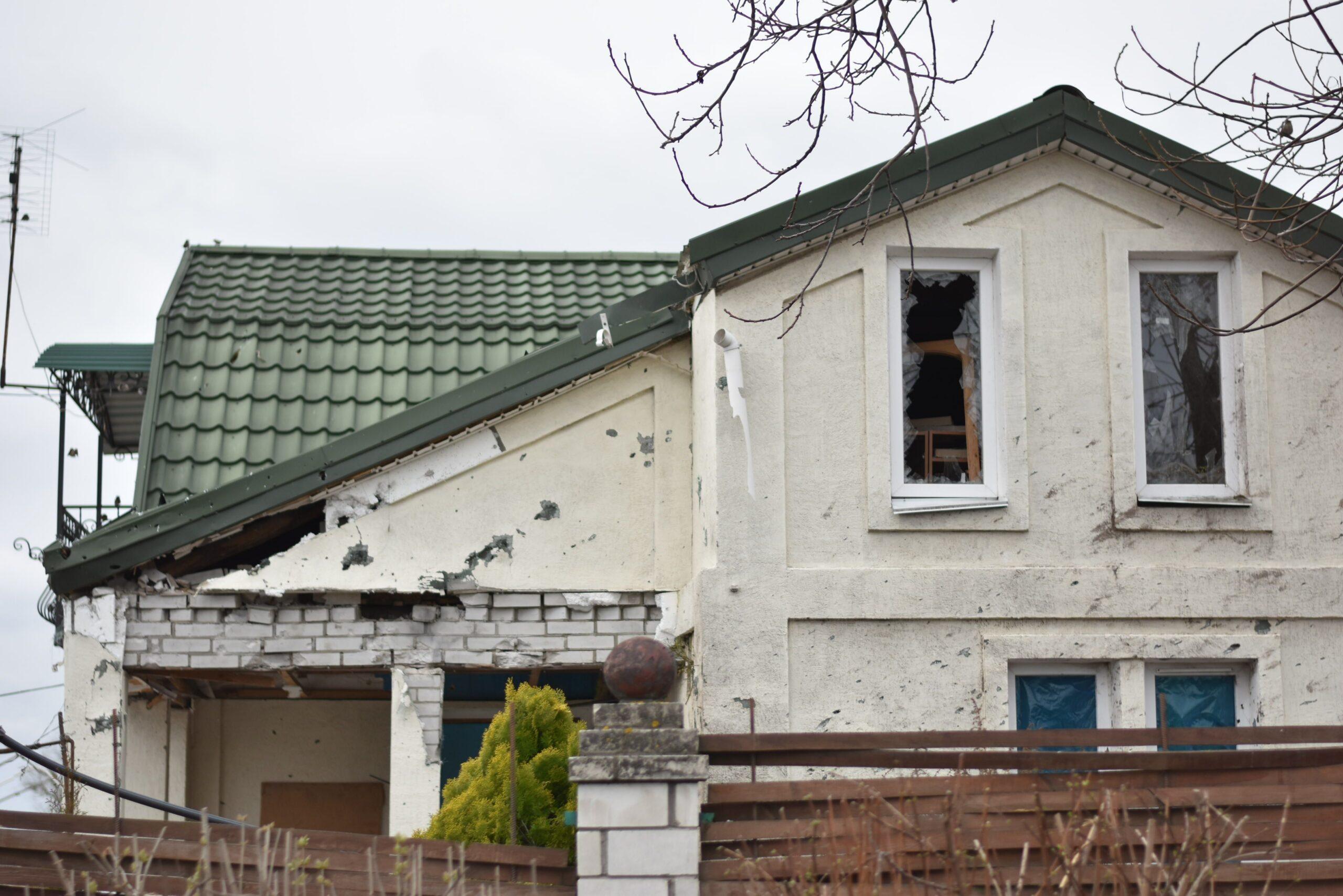
Waste of property claims arise when someone with a legal interest in real estate damages the property or allows its condition to deteriorate. In California, these disputes often involve landlords, tenants, co-owners, or individuals who hold different rights to the same property.
Courts examine whether the alleged conduct caused substantial harm to the property’s value or condition. These cases may involve unauthorized alterations, neglected maintenance, or actions that interfere with another person’s property interests.
Understanding Waste of Property Under California Law
Waste generally involves conduct that substantially damages real property or impairs its value. California law recognizes that individuals with certain possessory interests may be responsible for harming property in which others also hold legal interests.
Waste can result from deliberate actions or, in some circumstances, a failure to maintain property. Courts consider the nature of the defendant’s property rights and the obligations associated with those rights.
Examining Property Rights and Responsibilities
Courts first consider the legal relationship between the parties. A tenant, co-owner, or person holding a temporary property interest may have responsibilities that differ from those of someone who owns the property outright.
Deeds, leases, and other agreements may help establish these responsibilities. When co-owners cannot agree on how the property should be used or maintained, the dispute may also lead to a partition action. Courts review the applicable property rights to determine whether the defendant’s conduct interfered with another person’s protected interest.
Evaluating Physical Damage and Deterioration
Waste claims may involve structural damage, unauthorized demolition, removal of valuable fixtures, or significant deterioration. Courts examine whether the alleged harm goes beyond ordinary wear and tear.
Photographs, inspection reports, and repair estimates may help establish the property’s condition. Courts compare the available evidence to determine the extent and significance of the damage.
Distinguishing Waste From Ordinary Property Use
Not every alteration or maintenance issue constitutes actionable waste. Property occupants generally have some ability to use the premises, subject to their legal obligations and the rights of other interested parties.
Courts consider whether the conduct was reasonable under the circumstances. Routine wear, permitted improvements, and minor changes may be treated differently from actions that substantially impair the property.
Considering Financial Losses and Available Remedies
When waste is established, courts may consider the financial consequences of the damage. Depending on the circumstances, recoverable damages may involve repair costs, diminished property value, or other legally recognized losses.
California law also provides specific remedies for certain waste claims. For example, Code of Civil Procedure Section 732 allows a court to award up to treble damages in certain cases involving waste by a tenant for life or years, a joint tenant, or a tenant in common. Courts evaluate the applicable statutes and evidence before determining whether monetary damages or other relief is appropriate.
How Courts Resolve Waste of Property Disputes
California courts review ownership records, agreements, property inspections, and testimony concerning the alleged damage. The evidence must establish the defendant’s relevant obligations and the harm caused to another protected property interest.
Depending on the facts, courts may determine liability and award appropriate relief. The outcome depends on the parties’ property rights, the nature of the conduct, and the extent of the resulting damage.
Types of Waste Recognized by California Courts
Courts generally recognize several categories of waste. Voluntary or affirmative waste involves deliberate conduct, such as demolishing a structure, removing fixtures, stripping valuable materials, or cutting timber without authority. Permissive waste involves a failure to act, such as neglecting necessary repairs, allowing water damage to spread, or leaving a property vacant and unsecured so that it deteriorates.
Some cases involve what is sometimes called ameliorative waste, where an occupant makes changes that may increase the property value but alter its character without the consent of others who hold an interest in it. Courts are often more cautious about awarding damages in these situations, because the property owner may not have suffered a financial loss.
Waste Claims in Co-Ownership, Tenancy, Life Estate, and Lending Relationships
Waste claims arise in many different relationships. Co-owners who hold property as joint tenants or tenants in common may bring waste claims against one another. Landlords may pursue tenants for damage beyond ordinary wear and tear, and California Civil Code Section 840 requires the holder of a life estate to keep buildings and fences in repair from ordinary waste and to pay the property taxes.
Lenders may also raise waste claims when a borrower allows secured property to deteriorate, since deeds of trust commonly require the borrower to maintain the property. California anti-deficiency rules can limit these claims after foreclosure, although courts have recognized exceptions for bad faith waste. Because the applicable rules depend on the relationship between the parties, identifying that relationship is usually the first step in evaluating a waste claim.
Frequently Asked Questions About Waste of Property Claims
What is the difference between waste and normal wear and tear?
Normal wear and tear is the gradual deterioration that results from ordinary, reasonable use of a property over time, such as faded paint or worn carpet. Waste generally involves damage that goes beyond ordinary use, such as structural harm, destruction of improvements, or serious neglect that substantially reduces the property value.
Can one co-owner sue another for waste in California?
Yes. Code of Civil Procedure Section 732 specifically allows a person aggrieved by waste committed by a joint tenant or tenant in common to bring an action, and the court may award treble damages in appropriate cases. Co-owners may also have related claims for an accounting or partition.
How long do I have to file a waste claim?
Claims for injury to real property are generally subject to a three-year statute of limitations under Code of Civil Procedure Section 338. Claims based on a lease, deed of trust, or other written agreement may be subject to different deadlines, so it is important to evaluate the timing of a potential claim as early as possible.
What evidence is most helpful in a waste case?
Evidence of the property condition before and after the alleged waste is often the most important. Move-in and move-out inspections, dated photographs and video, repair invoices, contractor estimates, appraisals, and communications about maintenance requests can help show what changed, when it changed, and how much the damage reduced the property value. Expert testimony from contractors or appraisers may also be used to quantify the loss.
Speak With a California Real Estate Litigation Attorney
If a tenant, co-owner, or other occupant has damaged property in which you hold an interest, or you are facing a waste claim yourself, the real estate litigation attorneys at Wade Litigation can review the facts and explain your options. Contact our office to schedule a free case evaluation.
Clients Throughout California
Fields Marked With An ”*” Are Required