

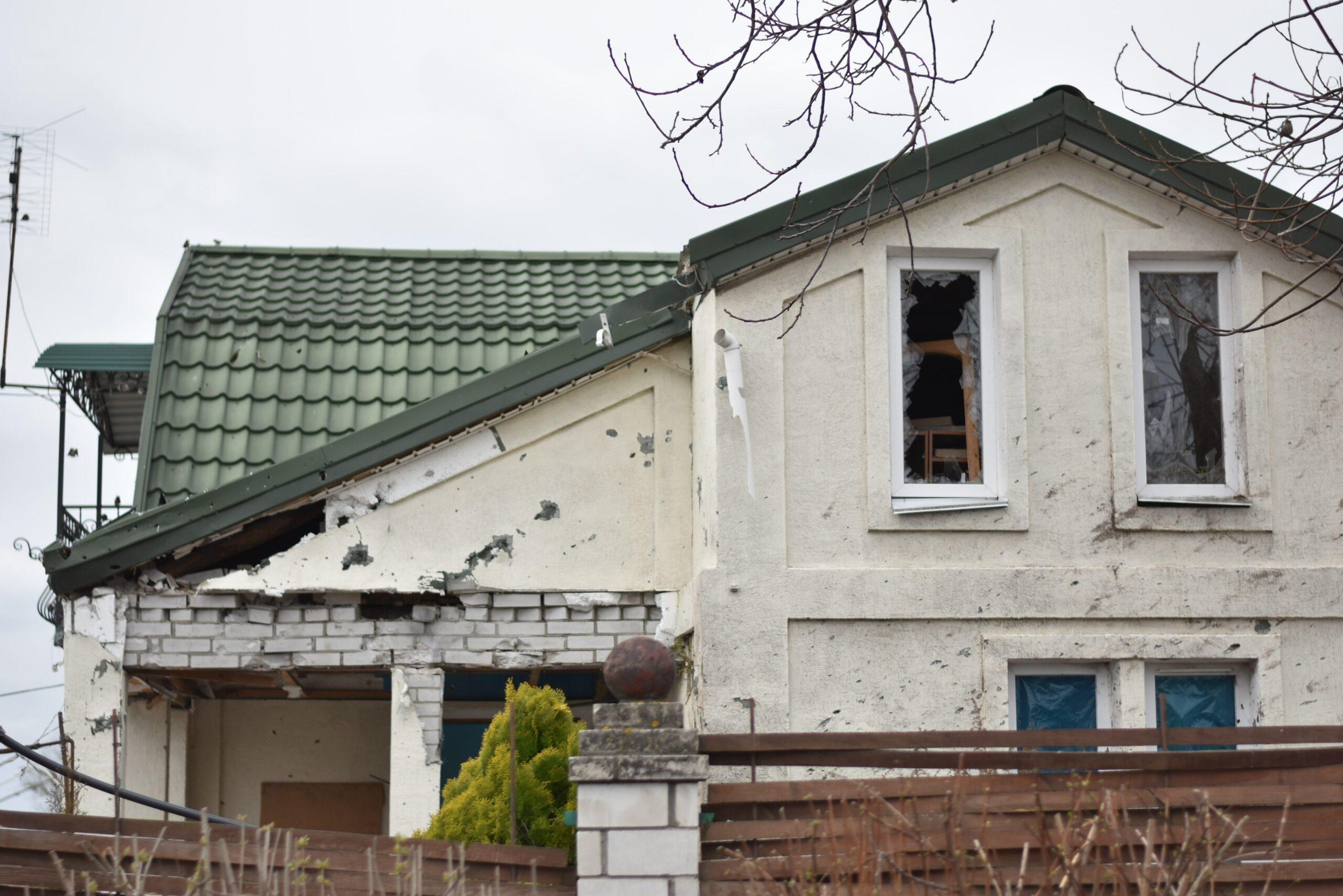
Waste of property claims arise when someone with a legal interest in real estate damages the property or allows its condition to deteriorate. In California, these disputes often involve landlords, tenants, co-owners, or individuals who hold different rights to the same property.
Courts examine whether the alleged conduct caused substantial harm to the property’s value or condition. These cases may involve unauthorized alterations, neglected maintenance, or actions that interfere with another person’s property interests.
Understanding Waste of Property Under California Law
Waste generally involves conduct that substantially damages real property or impairs its value. California law recognizes that individuals with certain possessory interests may be responsible for harming property in which others also hold legal interests.
Waste can result from deliberate actions or, in some circumstances, a failure to maintain property. Courts consider the nature of the defendant’s property rights and the obligations associated with those rights.
Examining Property Rights and Responsibilities
Courts first consider the legal relationship between the parties. A tenant, co-owner, or person holding a temporary property interest may have responsibilities that differ from those of someone who owns the property outright.
Deeds, leases, and other agreements may help establish these responsibilities. Courts review the applicable property rights to determine whether the defendant’s conduct interfered with another person’s protected interest.
Evaluating Physical Damage and Deterioration
Waste claims may involve structural damage, unauthorized demolition, removal of valuable fixtures, or significant deterioration. Courts examine whether the alleged harm goes beyond ordinary wear and tear.
Photographs, inspection reports, and repair estimates may help establish the property’s condition. Courts compare the available evidence to determine the extent and significance of the damage.
Distinguishing Waste From Ordinary Property Use
Not every alteration or maintenance issue constitutes actionable waste. Property occupants generally have some ability to use the premises, subject to their legal obligations and the rights of other interested parties.
Courts consider whether the conduct was reasonable under the circumstances. Routine wear, permitted improvements, and minor changes may be treated differently from actions that substantially impair the property.
Considering Financial Losses and Available Remedies
When waste is established, courts may consider the financial consequences of the damage. Depending on the circumstances, recoverable damages may involve repair costs, diminished property value, or other legally recognized losses.
California law also provides specific remedies for certain waste claims. Courts evaluate the applicable statutes and evidence before determining whether monetary damages or other relief is appropriate.
How Courts Resolve Waste of Property Disputes
California courts review ownership records, agreements, property inspections, and testimony concerning the alleged damage. The evidence must establish the defendant’s relevant obligations and the harm caused to another protected property interest.
Depending on the facts, courts may determine liability and award appropriate relief. The outcome depends on the parties’ property rights, the nature of the conduct, and the extent of the resulting damage.
Clients Throughout California
Fields Marked With An ”*” Are Required