A Palo Alto civil litigation attorney represents individuals and businesses in California civil litigation, including contract breaches, fraud claims, and property conflicts filed in Santa Clara County Superior Court. Most civil cases resolve through negotiation or mediation rather than trial, but building a case as though it will go to trial gives you the strongest position at every stage. Wade Litigation offers a case evaluation to review your dispute and outline a resolution strategy.
Civil litigation covers a wide range of disputes that do not involve criminal charges but still require court intervention to resolve. In Palo Alto, that often means disputes between technology companies and vendors, contract disagreements between business partners, disputes over property purchases, and claims involving fraud or misrepresentation in high-value transactions. Yuri Voronin, Wade Litigation’s civil litigation attorney, represents clients across Santa Clara County Superior Court in these matters, from the initial complaint through trial when settlement is not possible.
What Civil Litigation Covers
Civil litigation is the legal process used to resolve disputes between individuals, businesses, or other entities when one party seeks monetary damages or another legal remedy. Common categories include breach of contract, where one party fails to perform as promised; business torts, such as fraud, misrepresentation, or interference with a business relationship; and property disputes, including boundary disagreements and disputes over real estate transactions. Each category follows the same general procedural path through Santa Clara County Superior Court, but the evidence and legal theories differ significantly.
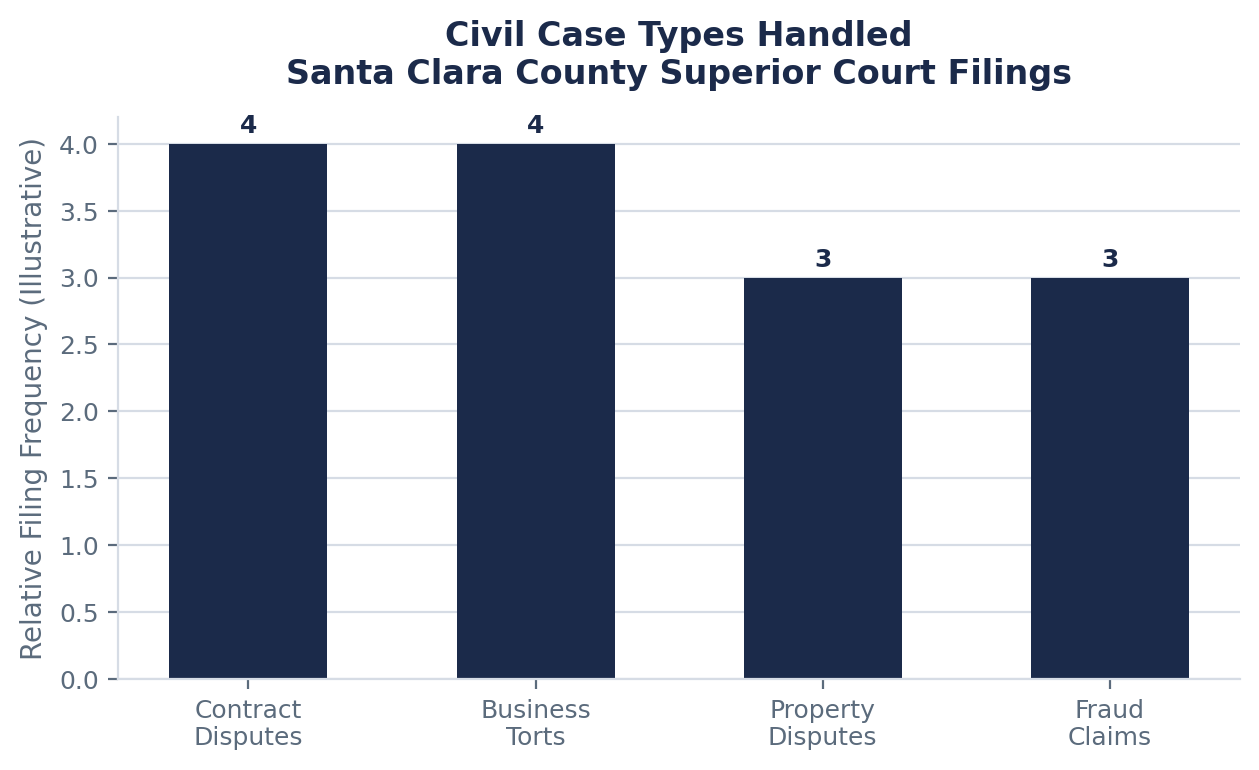
Figure 1: Civil case types most commonly filed in Santa Clara County Superior Court (illustrative).
How Most Civil Disputes Actually Resolve
The vast majority of civil lawsuits never reach trial. Most cases resolve through direct negotiation between the parties or their attorneys, and a meaningful share resolve through mediation or arbitration when direct negotiation stalls. Trial remains a last resort, reserved for cases where the parties cannot agree on liability, damages, or both. Understanding this pattern matters because it shapes strategy from day one: a case built to survive a motion for summary judgment and to withstand cross-examination at trial is also the case most likely to produce a strong settlement, since the other side’s assessment of your trial readiness drives their willingness to negotiate.
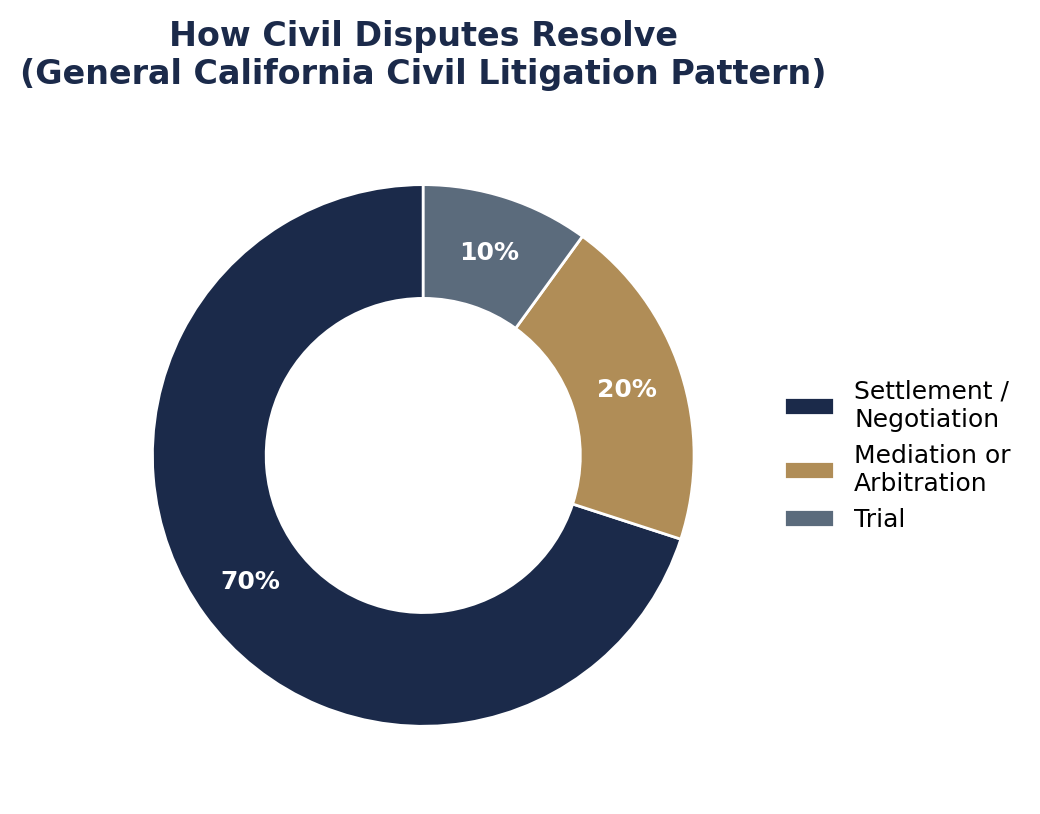
Figure 2: General pattern of how California civil disputes resolve.
The Civil Litigation Timeline in Santa Clara County
A civil case moves through several procedural stages, which we explain in our guide to the six phases of a lawsuit. The process begins when the plaintiff files a complaint and formally serves the defendant, who then has 30 days to respond. The case management conference follows shortly after, where the court sets deadlines for the remainder of the case. Discovery, the phase where both sides exchange documents and take depositions, typically runs the longest and is where most of a civil case’s cost accumulates. Santa Clara County Superior Court generally requires an attempt at mediation or a settlement conference before setting a trial date, giving both sides a structured opportunity to resolve the case before incurring trial costs.
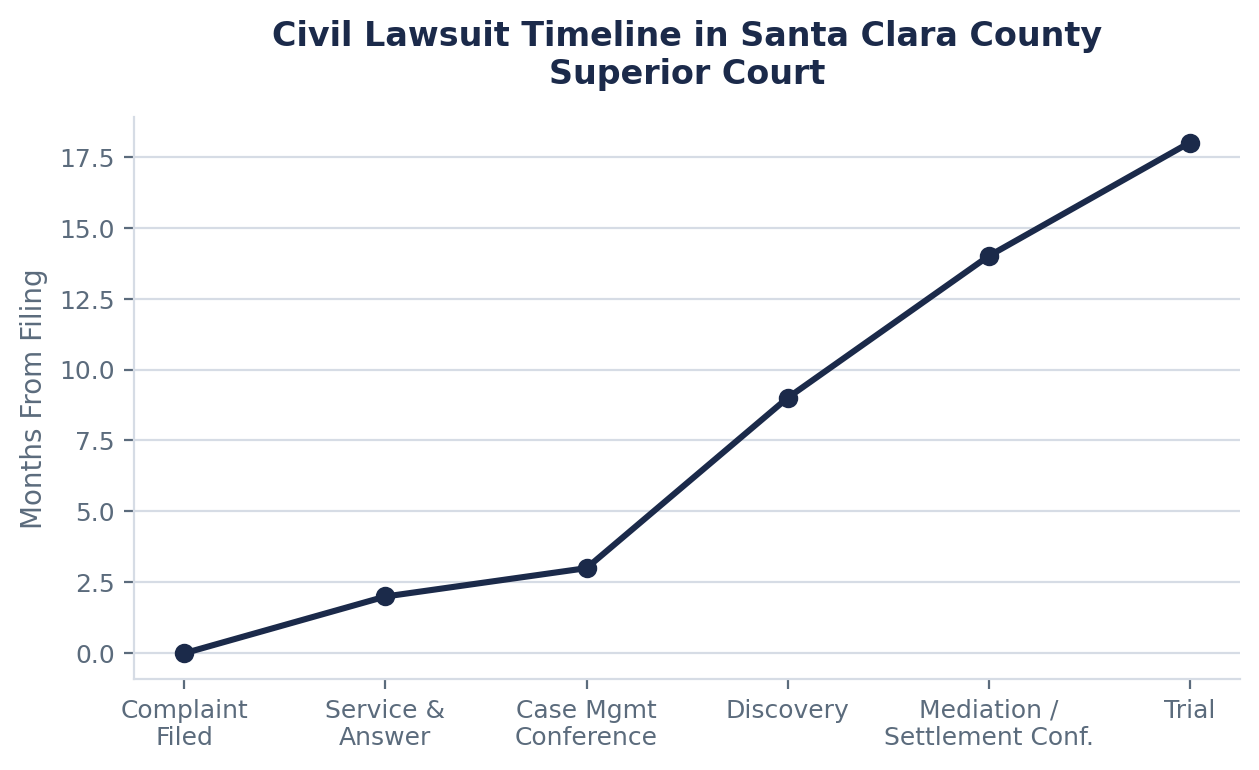
Figure 4: Typical elapsed time from complaint to trial in a Santa Clara County civil case.
Burden of Proof in Civil Cases
Unlike criminal cases, which require proof beyond a reasonable doubt, most civil cases in California are decided under a preponderance of the evidence standard, meaning the plaintiff must show it is more likely than not that their claims are true. This lower standard shapes litigation strategy considerably: civil cases often turn on which side presents a more coherent, better-documented version of events rather than eliminating all doubt. Certain claims, such as fraud, require a higher standard of clear and convincing evidence, which changes how those specific claims should be developed and presented.
Defending Against a Civil Lawsuit
Being served with a civil lawsuit does not mean the case against you is strong. Our guide to defending a lawsuit explains additional considerations when responding to a civil claim. Common defenses in civil litigation include disputing the underlying facts, arguing that the statute of limitations has expired, showing that a contract term was not actually breached as alleged, or demonstrating that the plaintiff’s own conduct contributed to the harm they are claiming. Wade Litigation evaluates every incoming lawsuit for these defenses before recommending a response strategy, since an early, well-supported motion can sometimes resolve a case before discovery costs accumulate.
Comparison: Settlement vs. Trial in Civil Litigation
Factor | Settlement | Trial |
Typical Duration | 6 to 12 months | 18 to 24+ months |
Cost Exposure | Lower | Significantly higher |
Outcome Certainty | Negotiated, predictable | Decided by judge or jury |
Public Record | Can remain confidential | Public trial record |
Choosing the Right Civil Litigation Attorney
Not every attorney who handles civil matters has the same depth of trial experience, and that distinction matters more than clients often realize when a case does not settle. Look for an attorney who has actually tried cases to verdict, not just negotiated settlements, since opposing counsel and insurance adjusters evaluate your leverage based on your attorney’s trial record. Ask how the attorney sequences discovery, how they staff a case as it grows more complex, and how they communicate case developments, since civil litigation can run over a year and clients who feel uninformed during that time often make decisions driven by frustration rather than strategy.
Evidence and Discovery in Silicon Valley Business Disputes
Civil disputes involving Palo Alto technology companies frequently involve electronic discovery: emails, Slack messages, contracts stored in cloud systems, and metadata that can establish when a document was created or altered. Managing electronic discovery well, both as the party producing documents and the party requesting them, often determines the outcome of a contract or fraud dispute more than the underlying facts themselves, since a case can turn on a single email that contradicts a party’s later account of events.
Injunctive Relief and Emergency Motions
Not every civil dispute can wait for the standard litigation timeline. When a former business partner is about to transfer disputed assets, a party is threatening to destroy relevant records, or ongoing conduct is causing irreparable harm, California law allows a party to seek a temporary restraining order or preliminary injunction on an expedited basis. Santa Clara County Superior Court can hear emergency motions within days rather than months when the circumstances justify it, but courts hold plaintiffs to a demanding standard, requiring a strong likelihood of success on the merits and evidence that monetary damages alone will not adequately address the harm.
Wade Litigation evaluates whether emergency relief is realistically available before recommending that a client pursue it, since a denied emergency motion can weaken a party’s later position in the case.

What This Means for Your Case
Whether you are considering filing a civil lawsuit or you have just been served with one, the decisions you make in the first 30 days shape the rest of the case. Wade Litigation evaluates the strength of your claims or defenses early so you can make an informed decision about whether to pursue settlement, prepare for litigation, or explore an early resolution.
Objections We Commonly Address
Some clients delay contacting a civil litigation attorney because they assume their dispute is too small to justify legal fees, or because they hope the other side will back down once they realize a lawsuit is possible. In practice, an early, well-documented demand letter or response often resolves disputes before litigation costs accumulate, and waiting to respond to a complaint can result in a default judgment against you if deadlines are missed.
What Happens When You Call
When you call Wade Litigation, the intake team will ask about the nature of your dispute, whether you have been served with a lawsuit or are considering filing one, and any relevant deadlines already in motion. During your case evaluation, an attorney will assess the strength of your position and explain your realistic options, including negotiation, mediation, or litigation, before you commit to a strategy.
Related Reading
For more on how civil litigation works in California, see our guides on civil litigation essential steps and winning strategies, civil litigation key steps and strategies, and the burden of proof in civil cases, along with our overview of how courts decide on non-monetary remedies in civil litigation.
Frequently Asked Questions
Explore Related Palo Alto Practice Areas
If your dispute involves a business partner or company, see our Palo Alto business litigation attorneys page, or for a property-related dispute, our Palo Alto real estate litigation attorneys page. You can also view our full Palo Alto office overview for every practice area we handle in Santa Clara County.
Speak With a Palo Alto Civil Litigation Attorney
Yuri Voronin has represented individuals and businesses across Santa Clara County in contract, property, and business disputes, working alongside Wade Litigation’s broader team recognized with seven 2026 industry awards. Call to schedule a case evaluation and get a clear view of your options.