When a dispute demands formal legal action, stress often settles in fast. For someone in Alameda, CA, a business disagreement, contract dispute, or family law matter may already affect daily routines, income, and peace of mind. Alameda civil litigation gives people a structured way to pursue accountability through the courts.
However, these matters involve layered rules, firm deadlines, and strategic decisions that benefit from experienced legal representation. Civil disputes reach far beyond paperwork. They influence relationships, work, and long-term plans.
Wade Litigation offers support from attorneys who approach each case with care, focus, and a steady commitment to client advocacy. Our team works to protect your interests while explaining each step in clear terms, so you can make informed choices with confidence. A free case evaluation provides a starting point for clarity and direction.
the Wade Litigation difference
Request Your No-Cost Consultation Now!
Key Takeaways: Civil Litigation in Alameda, CA
- Civil litigation addresses disputes between people or businesses where one party seeks compensation or court-ordered relief.
- Alameda County courts follow defined stages and deadlines that shape how a case moves forward.
- California law sets strict time limits, called statutes of limitations, for filing civil claims.
- Many cases resolve through settlement or alternative dispute resolution, rather than trial.
- Skilled legal representation helps keep cases organized, focused, and aligned with your goals.
What Is Civil Litigation?

Civil litigation refers to legal disputes between individuals, businesses, or organizations, rather than criminal cases brought by the government. One party, called the plaintiff, files a lawsuit seeking money damages or a court order. The opposing party, called the defendant, responds and presents defenses.
Common legal terms appear early in these cases, and clear explanations help remove uncertainty:
- Complaint: The written document that starts a lawsuit, explaining what happened and what the plaintiff wants.
- Defendant: The person or entity accused of causing harm or breaching an agreement.
- Damages: Money claimed to cover losses such as medical bills, repair costs, or lost income.
- Settlement: An agreement that resolves the dispute without a trial.
- Judgment: The court’s final decision after trial or motion.
The Alameda County Superior Court System
The Alameda County Superior Court handles civil cases at the trial level. Courthouses serve different regions, including Berkeley, and cases receive assignments based on subject matter and location.
Judges oversee pre-trial motions, settlement efforts, and trials. Court staff manage filings and calendars, while local rules guide formatting and deadlines.
Types of Civil Litigation We Handle
Civil disputes take many forms, and each one brings its own legal standards, timelines, and pressure points. Our work at Wade Litigation focuses on helping clients pursue accountability and resolution through organized, strategic advocacy. Below are common types of civil litigation our team handles, explained in plain terms so you know what to expect.
Business Litigation
Business disputes often involve contracts, partnerships, employment relationships, or claims of unfair competition. A disagreement between owners, vendors, or clients can interrupt operations and strain long-standing relationships. We help businesses address issues such as breach of contract, fiduciary duty disputes, and claims involving misrepresentation, with a focus on protecting the company’s financial interests and long-term stability.
Family Law and Divorce
Divorce and related family law matters involve both legal rights and deeply personal concerns. These cases often include the division of property, spousal support, and financial disclosures. Our role centers on providing steady guidance, clear explanations, and advocacy that respects your priorities while working toward fair outcomes under California law.
Child Custody Disputes
Child custody disputes focus on parenting plans, decision-making authority, and time-sharing schedules. Courts base decisions on the best interests of the child, which includes stability, safety, and each parent’s ability to meet the child’s needs. We help parents present organized, fact-based arguments that reflect their involvement and commitment to their children’s well-being.
Probate Disputes
Probate disputes arise when disagreements develop over wills, trusts, or the management of an estate. These cases may involve claims of undue influence, questions about document validity, or concerns about how an executor handles assets. We work to protect beneficiaries’ rights while addressing conflicts with care and attention to detail.
Real Estate Disputes
Real estate litigation often involves property ownership, boundaries, contracts, or disclosure issues. Disputes may arise between buyers and sellers, landlords and tenants, or neighboring property owners. These cases frequently require careful review of documents, timelines, and local regulations to support a clear legal position.
Civil Lawsuits
General civil lawsuits cover a wide range of disputes where one party seeks compensation or court-ordered relief. This category includes personal injury claims, property damage cases, and other matters not tied to a specific practice area. Our approach emphasizes preparation, clear communication, and advocacy aligned with your goals from filing through resolution.
What Are the Stages of a Civil Lawsuit in Alameda?

A civil lawsuit follows a structured path from filing to resolution. Understanding each stage helps you anticipate what comes next and prepare accordingly.
Filing the Complaint
The case begins when the plaintiff files a complaint with the court and serves it on the defendant. Service means delivering legal papers in a way the law accepts. The complaint outlines facts, legal claims, and requested relief. Accuracy at this stage shapes the entire case.
Discovery Process
Discovery allows both sides to exchange information. Attorneys request documents, submit written questions, and take depositions, which involve sworn testimony outside court. This phase reveals evidence and clarifies strengths and weaknesses. In Hayward, discovery schedules often reflect court availability and case complexity.
Pre-Trial Motions and Settlement Negotiations
Before trial, attorneys may file motions asking the judge to resolve legal issues or limit evidence. Many cases also enter settlement talks during this stage. Negotiations aim to reach a fair resolution without trial, saving time and expense while offering more control over outcomes.
Trial
When settlement efforts don’t succeed, the case proceeds to trial. Each side presents evidence, questions witnesses, and argues their position. Trials may involve a judge or a jury, depending on the case. Preparation and organization play a major role here.
Post-Trial Motions and Enforcement
After a verdict, parties may file motions challenging aspects of the decision. Once a judgment stands, enforcement begins. This step may involve collecting money or securing compliance with court orders.
What Are Common Defenses in Alameda Civil Litigation?
Defendants often raise defenses that challenge liability or limit damages. Understanding these arguments helps plaintiffs prepare effective responses.
Comparative Negligence
California follows comparative negligence rules. If both sides share fault, the court reduces damages based on each party’s percentage of responsibility.
Statute of Limitations Defense
Defendants may argue that the plaintiff filed too late. Courts take these deadlines seriously, making early legal guidance valuable.
Lack of Standing or Capacity
Standing refers to the right to bring a lawsuit. Capacity concerns legal ability, such as age or authority to act for a business.
Failure to State a Claim
This defense argues that, even if facts are true, the law doesn’t provide a remedy. Judges review complaints closely when this issue arises.
The Civil Appeals Process in California
An appeal offers a way to seek review of a trial court’s decision. Appeals focus on legal errors rather than new evidence.
Grounds for Filing an Appeal
Common grounds for filing an appeal include misapplication of law, improper admission of evidence, or procedural errors that affected the outcome.
Appellate Deadlines and Procedures
Appeals follow strict timelines, often starting within 60 days of judgment. Missing these deadlines usually ends appellate rights.
Standards of Review
The appellate court applies standards that determine how closely it examines the trial court’s decisions. Some issues receive close scrutiny, while others allow more discretion.
The Role of an Appeals Attorney
Appeals require focused legal writing and strong analysis. Attorneys present arguments through briefs and, sometimes, oral argument before the court.
What Damages Can You Recover in Alameda Civil Cases?
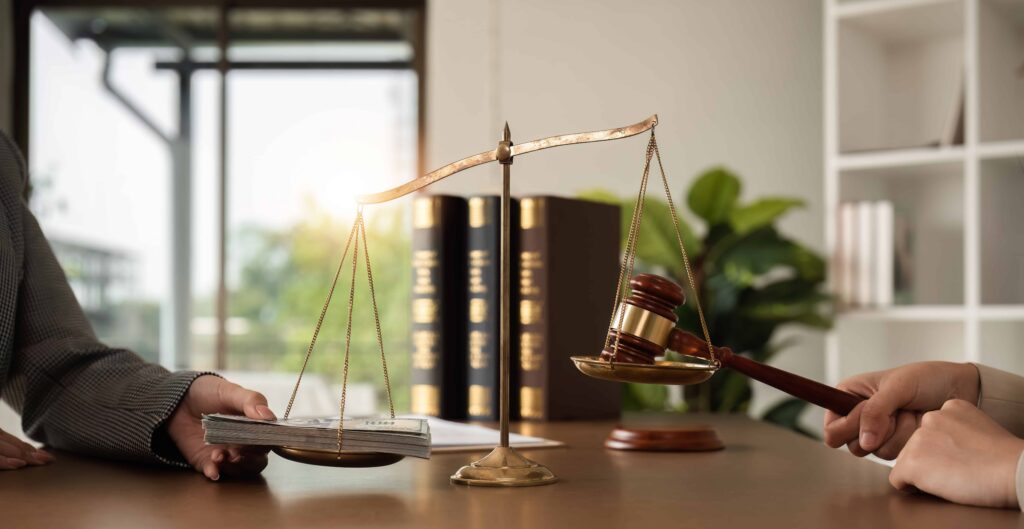
Damages aim to address losses caused by wrongful conduct. Courts consider evidence and legal standards when awarding compensation.
Economic Damages
Economic damages cover losses with a clear dollar value. These damages rely on records, invoices, and other documentation that show what you actually lost. Common examples include medical bills, repair costs, lost income, reduced earning capacity, and out-of-pocket expenses tied directly to the dispute. Courts often view this category as the foundation of most civil damage claims.
Non-Economic Damages
Non-economic damages address harm that doesn’t come with a receipt. This category includes pain, discomfort, emotional distress, inconvenience, and loss of enjoyment of daily activities. Judges and juries evaluate these damages based on testimony, credibility, and how the harm affected your routine, relationships, and overall quality of life.
Punitive Damages
Punitive damages apply in limited situations where the defendant’s conduct involved intentional harm, fraud, or extreme disregard for others’ safety. These damages don’t focus on compensation alone. Instead, they aim to discourage similar conduct in the future.
Interest and Costs
In some Alameda civil cases, courts may add interest to a judgment, either from the date of loss or from the date of judgment, depending on the claim. Courts may also allow recovery of certain litigation costs, such as filing fees or service expenses. Contracts or statutes sometimes permit recovery of attorney fees as well, though this depends on the specific legal basis of the case.
Alternative Dispute Resolution in Alameda County
Alternative dispute resolution, or ADR, offers paths to resolve disputes outside trial. Courts often encourage or require these methods.
Mediation
Mediation involves a neutral mediator who helps parties reach agreement. The mediator doesn’t decide the case but guides discussion. Parties in Fremont often choose mediation to maintain control over outcomes.
Arbitration
Arbitration resembles a private trial. An arbitrator hears evidence and issues a decision, which may bind the parties depending on the agreement.
When ADR Is Required or Beneficial
Some contracts require ADR before litigation. Even without a requirement, ADR may save time and reduce expenses while preserving relationships.
How Much Does Civil Litigation Cost in Alameda?

Costs vary based on case length, complexity, and strategy. Clear discussions about expenses help set expectations.
Attorney Fees and Fee Structures
Attorneys may charge hourly rates, contingency fees, or flat fees depending on the case type. Written agreements outline these terms.
Court Costs and Filing Fees
Courts charge fees for filing documents and motions. These costs accumulate as a case progresses.
Expert Witness and Litigation Expenses
Some cases require expert testimony, such as medical or financial analysis. These expenses add to overall costs.
Cost Recovery for Prevailing Parties
In certain cases, the winning party may recover costs or attorney fees, depending on statutes or contracts.
How Wade Litigation Can Help
Our firm approaches Alameda civil litigation with careful preparation and client-focused strategy. We listen closely, explain options plainly, and build cases with attention to detail.
Our founder has earned many awards and honors, including recognition as one of the best trial lawyers in the US. That background shapes how we advocate for clients across Alameda County, including those in San Leandro.
Frequently Asked Questions About Civil Litigation in Alameda, CA
How long does a civil lawsuit typically take in Alameda County?
Timelines vary based on case type, court schedules, and whether the case settles. Some matters resolve within months, while others take longer.
Do I really need a lawyer for a civil dispute?
Civil disputes involve strict rules, deadlines, and legal standards that shape the outcome from the very beginning. A lawyer helps organize evidence, meet court requirements, and present your position clearly. Legal representation also provides support when the other side has counsel and works to protect your interests at every stage of the case.
What is the difference between state and federal court for civil cases?
State courts handle most civil disputes under California law. Federal courts address cases involving federal law or parties from different states meeting certain criteria.
Are settlement agreements enforceable in California?
Courts enforce valid settlement agreements like contracts. Written terms and proper approval strengthen enforceability.
What happens if I miss a court deadline in my civil case?
Missed deadlines may lead to dismissed claims or lost rights. Prompt action and organized case management help avoid these outcomes.
Contact Our Experienced Civil Litigation Attorneys in Alameda Now
Civil disputes demand careful handling and steady advocacy. Legal representation helps protect your interests, manage deadlines, and pursue fair outcomes. Wade Litigation brings experience, knowledge, and a focused approach to each case.
If a dispute affects your work, property, or personal well-being, reach out to our team for a free case evaluation and take the next step with support you can trust.