A San Jose probate attorney guides executors, trustees, and beneficiaries through the estate administration process in Santa Clara County Probate Court, and represents clients in contested matters involving will contests, trustee misconduct, and undue influence claims. Given San Jose’s property values, even a modest estate can trigger formal probate. Wade Litigation offers a case evaluation to review your situation and outline next steps.
San Jose’s size and diversity mean probate cases here span a wide range: a single-family home in Almaden Valley or Cambrian Park that alone exceeds California’s small estate threshold, a family business built over decades in one of the city’s many commercial corridors, or a modest estate complicated by family members spread across the country or overseas. Whether you are administering an estate, defending your position as a trustee, or contesting a will or trust as a beneficiary, Wade Litigation represents clients through every stage of the process.
How California Probate Works
Probate is the court-supervised process of settling a deceased person’s estate: validating the will, if one exists, appointing an executor or administrator, paying outstanding debts and taxes, and distributing what remains to the heirs or beneficiaries. Our guide on key facts about probate and estate administration covers this process step by step. If the deceased died with a valid will, the court generally honors the named executor and the distribution plan set out in the will, subject to any valid challenges. If there is no will, California’s intestate succession laws determine who inherits and in what proportion.
Where San Jose Probate Matters Are Heard
San Jose probate matters are heard in the Santa Clara County Superior Court’s probate division, part of the downtown courthouse complex on West Hedding Street. Because San Jose is the county seat, San Jose executors, trustees, and beneficiaries generally have more direct access to the probate court than residents of smaller Santa Clara County cities, whose probate matters are also consolidated there.
How an Estate Moves Through Administration
An estate does not move through probate in one step. From the initial petition through final distribution, each phase narrows the estate’s open questions: the notice period allows creditors to come forward, the inventory phase establishes what the estate actually contains, and any objections from beneficiaries or heirs must be resolved before the executor can make a final distribution.
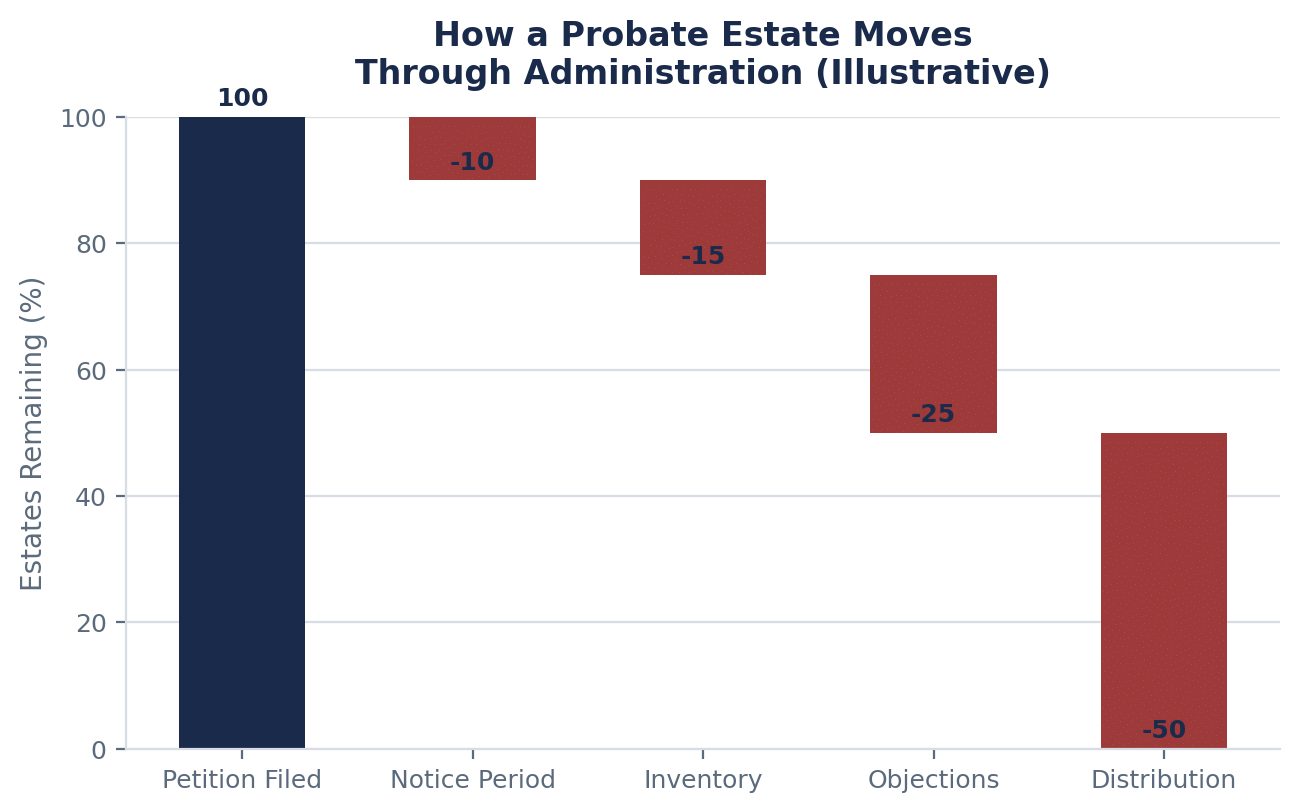
Figure 1: Illustrative progression of a probate estate from petition to final distribution.
Common Types of Probate Disputes
Probate disputes generally fall into a few recurring categories. When disagreements require court intervention, our San Jose probate litigation attorneys represent clients in contested probate and trust matters. Will and trust contests challenge the document’s validity, often on grounds of lack of capacity or undue influence. Trustee or executor misconduct claims arise when a beneficiary believes the person managing the estate is mismanaging assets, favoring themselves, or failing to follow the terms of the will or trust.
Undue influence claims allege that someone improperly pressured the deceased into changing their estate plan, a claim that comes up with particular frequency in high-value estates where a caregiver or new relationship entered the picture late in the deceased’s life. Creditor claims round out the list, involving disputes over what debts the estate must pay before distribution.
Grounds for Contesting a Will or Trust
California Probate Code section 6100 and related provisions set out the legal grounds for challenging a will or trust. Lack of testamentary capacity argues that the deceased did not understand the nature of their assets or the effect of the document when they signed it. Undue influence argues that someone exerted improper pressure that overcame the deceased’s free will.
Fraud involves deception that caused the deceased to sign a document they would not otherwise have signed, and improper execution challenges whether the document met California’s formal signing and witnessing requirements. Of these, undue influence is the most frequently litigated ground, particularly in estates where a late-life relationship or caregiving arrangement preceded a significant change to the estate plan.
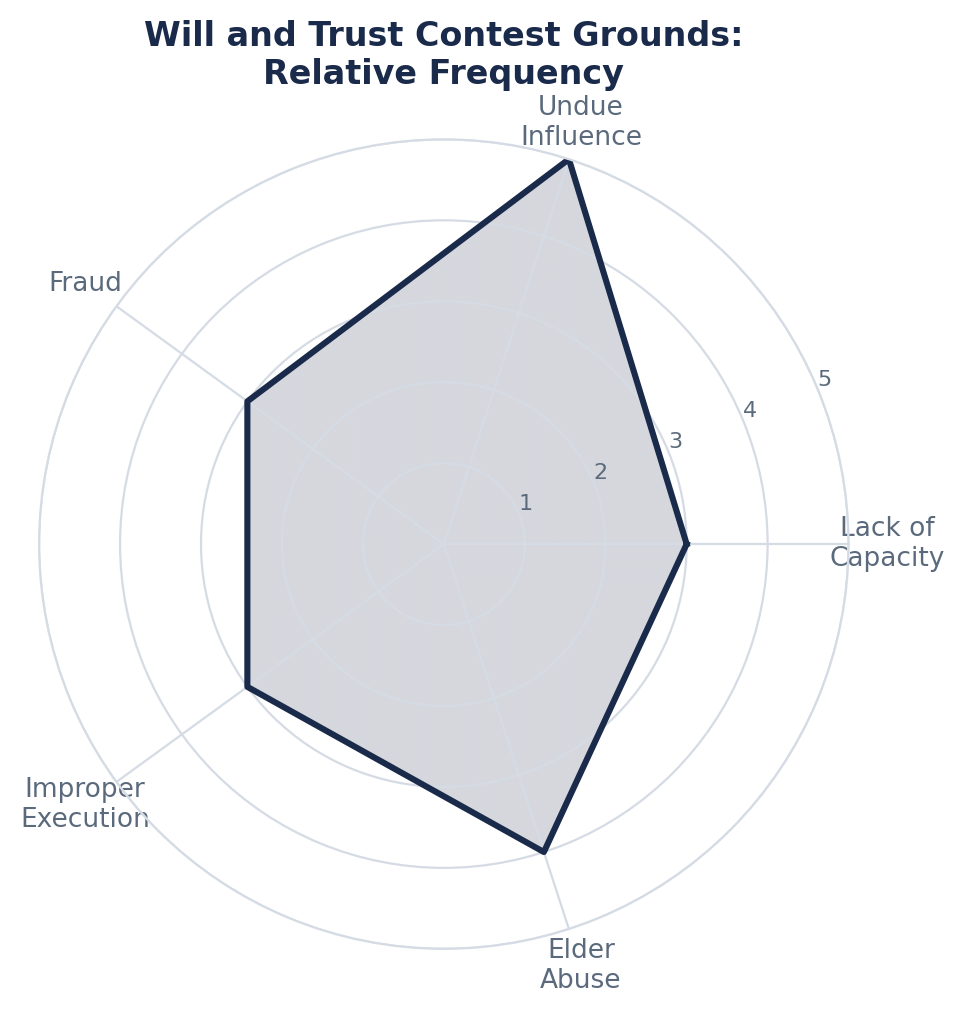
Figure 2: Relative frequency of will and trust contest grounds in probate litigation practice (illustrative).
Estate Value Thresholds and Simplified Procedures
Not every San Jose estate requires full probate. California allows a simplified small estate affidavit procedure for personal property when the estate’s total value falls under a statutory threshold, and a simplified transfer procedure for real property under a separate, somewhat higher threshold. Because a single San Jose home routinely exceeds both thresholds on its own, these simplified procedures are more often available for estates where the family home passed outside probate, such as through a living trust or joint tenancy, leaving only personal property and smaller accounts to administer.
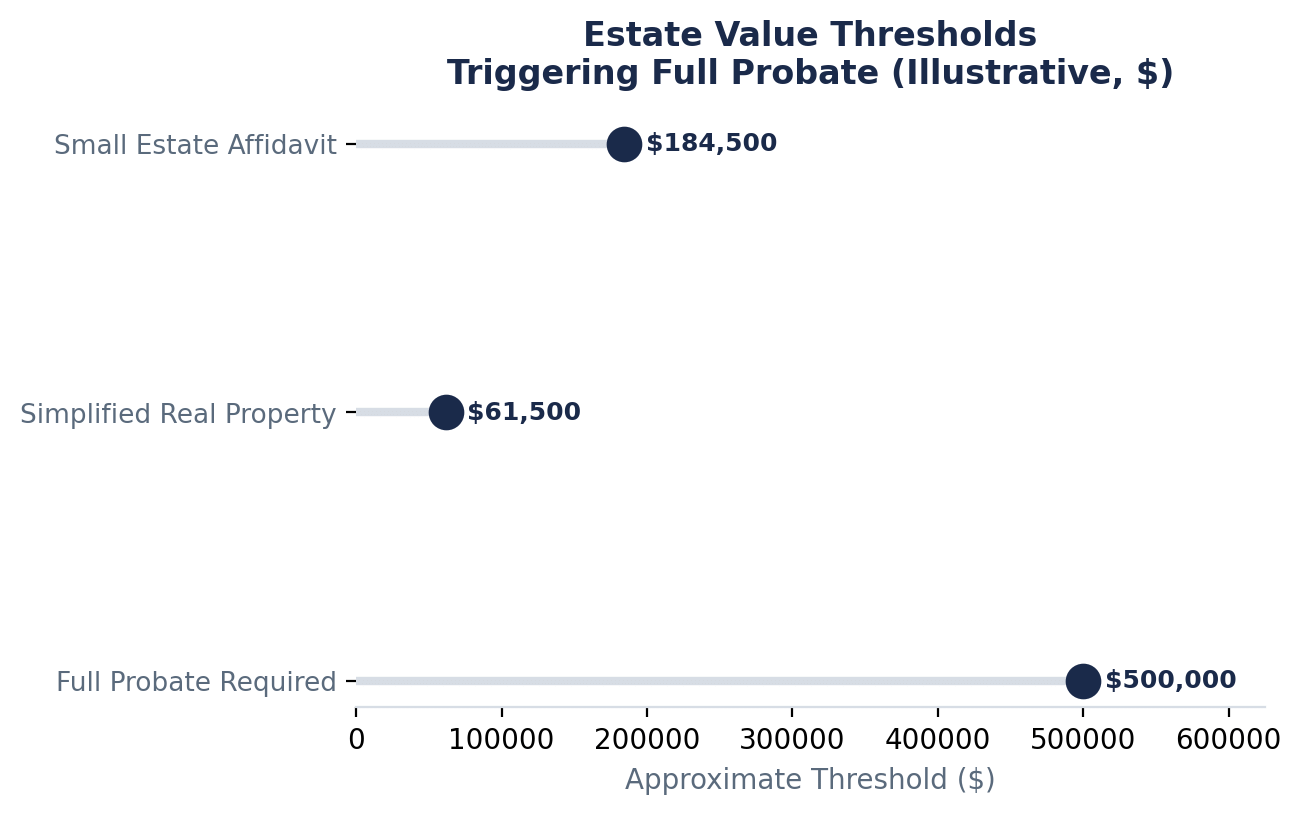
Figure 3: Illustrative California estate value thresholds relevant to choosing a probate procedure.
How Estate Type Affects the Timeline
A simple, uncontested estate can close in under a year, but complexity adds time at every stage. A contested estate, where a beneficiary challenges the will, the trustee’s conduct, or the inventory itself, routinely takes far longer to resolve than even a complex but uncontested administration.
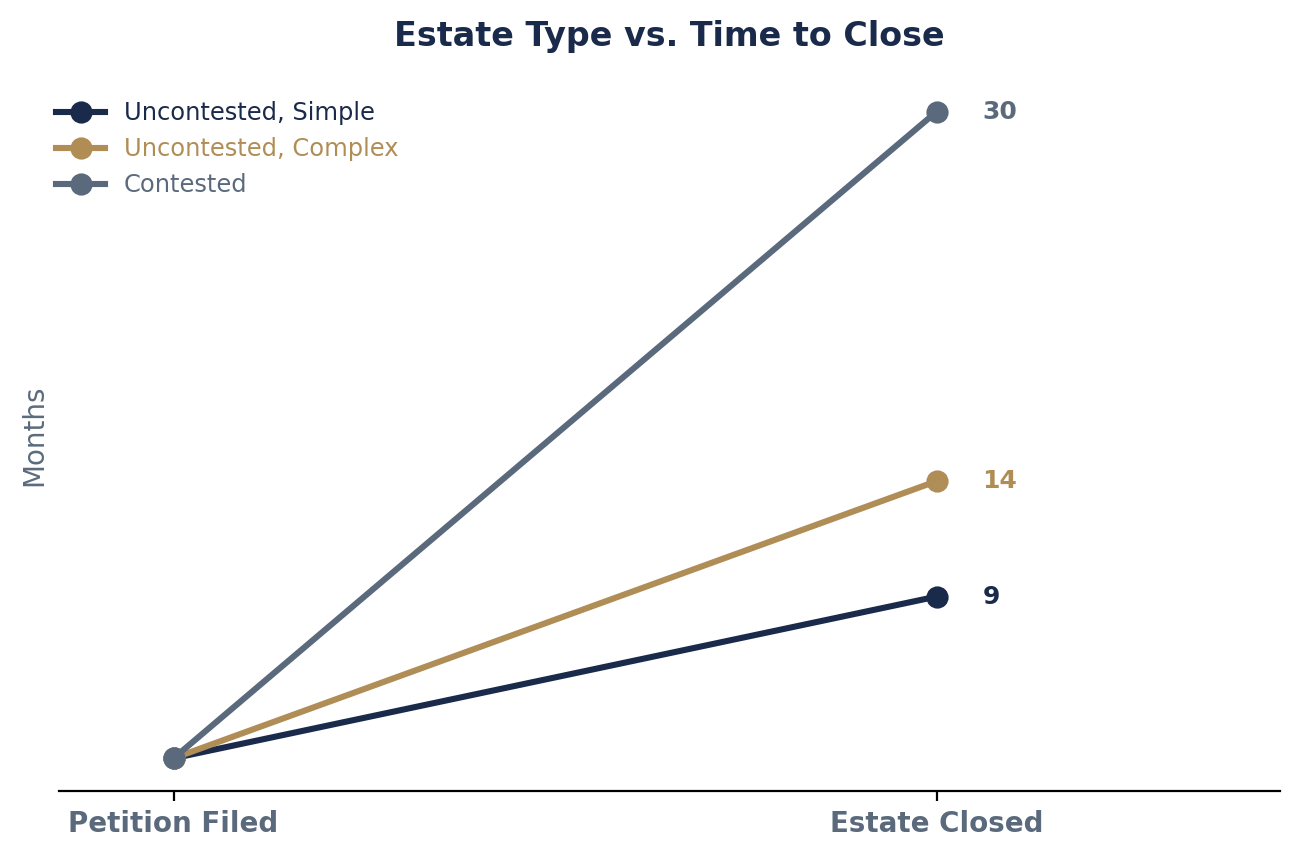
Figure 4: How estate complexity and contest status affect the typical time to close a probate case (illustrative).
Trustee Duties and Beneficiary Rights
A trustee owes fiduciary duties to the beneficiaries of a trust, including the duty to administer the trust according to its terms, the duty to keep beneficiaries reasonably informed, and the duty to avoid self-dealing. When a trustee fails in these duties, whether through mismanagement, favoritism toward one beneficiary, or outright self-dealing, beneficiaries have the right to petition the court for an accounting, to compel proper administration, or in serious cases, to remove the trustee entirely. Wade Litigation represents both trustees defending their administration and beneficiaries seeking to enforce their rights.

Comparison: Contested Probate vs. Uncontested Administration
| Factor | Uncontested | Contested |
| Typical Duration | 9 to 14 months | 18 to 36+ months |
| Court Involvement | Routine filings and hearings | Evidentiary hearings, possible trial |
| Cost to Estate | Statutory fees | Statutory fees plus litigation costs |
| Family Relationships | Generally preserved | Often strained |
Elder Financial Abuse in Estate Planning Disputes
A significant share of contested probate cases in high-value markets like San Jose involve allegations of elder financial abuse, where a caregiver, new acquaintance, or even a family member is accused of manipulating an elderly person into changing their estate plan or transferring assets before death. California Welfare and Institutions Code section 15610.30 provides both civil remedies and, in serious cases, criminal exposure for financial elder abuse. These cases require careful documentation of the deceased’s mental state, the timeline of the disputed transactions, and the relationship dynamics at play, often relying on medical records and testimony from those who interacted with the deceased in their final years.
Special Needs Trusts and Complex Estate Planning Disputes
San Jose families often carry more complex estate planning structures than a simple will, including revocable living trusts, special needs trusts for a family member with a disability, and multi-generational trusts designed to manage significant wealth across decades. Disputes over these structures raise questions that a straightforward will contest does not: whether a special needs trust was properly funded without disqualifying the beneficiary from public benefits, whether a trustee is honoring the settlor’s stated intent for a multi-generational trust, and how tax elections made years earlier affect the current distribution.
Trust Administration Without Court Involvement
Many San Jose families use a revocable living trust specifically to avoid probate court involvement altogether. When a trust is properly funded, meaning the deceased’s assets were actually retitled into the trust’s name during their lifetime, the successor trustee can administer and distribute the trust’s assets without going through the probate court process, though the trustee still owes the same fiduciary duties to beneficiaries. Problems arise when a trust was created but never fully funded, leaving assets in the deceased’s individual name that must then go through probate anyway, an outcome that catches many families by surprise after a death.
Family Business Succession Through Probate and Trust Disputes
A number of San Jose estates include an interest in a family-owned business, and passing that interest to the next generation, or dividing its value fairly among heirs who may not all want to remain involved in the business, is one of the more difficult problems in estate administration.
Disputes arise when a succession plan was never formally documented, when one heir who worked in the business feels entitled to a larger share than an equal division would provide, or when a buy-sell agreement’s valuation formula produces a number the other heirs consider unfair. These disputes often benefit from the same business valuation expertise used in business litigation matters, since the underlying question, what is this ownership interest actually worth, is the same regardless of whether it arises in a probate proceeding or a business dispute.
Working With Financial and Tax Professionals in Estate Administration
Larger San Jose estates often require coordination beyond the attorney handling the probate or trust matter, including a CPA to prepare a final income tax return for the deceased and any required estate tax filings, and a financial advisor to manage investment accounts during administration. Executors and trustees who overlook these obligations, particularly tax filing deadlines that run on a different schedule than probate court deadlines, can face personal liability for penalties that a more coordinated administration would have avoided. Wade Litigation flags these deadlines early in every administration so nothing falls through the gap between the legal and financial sides of the process.
Ancillary Probate for Out-of-State or Out-of-Country Property
Some San Jose residents own property outside California, whether a vacation home in another state or family property abroad, and that property generally cannot pass through a single California probate proceeding. An ancillary probate proceeding in the state or country where the property sits is typically required alongside the primary California probate case, adding time, cost, and coordination across multiple jurisdictions. Identifying out-of-state or out-of-country real property early in the estate planning process, or early in an administration if the deceased did not plan for it, avoids delays that surprise families months into an otherwise routine probate case.
What This Means for Your Case
Whether you are managing an estate as an executor, defending your administration as a trustee, or believe a will or trust does not reflect your loved one’s true wishes, the steps you take early shape your options later. Wade Litigation evaluates the strength of a potential contest or defense at the outset so you understand your realistic path forward before deadlines start to run.
Objections We Commonly Address
Families sometimes hesitate to pursue a probate dispute because they worry about litigation costs eating into the estate, or because they fear a contest will permanently damage already strained family relationships. In practice, an early, focused challenge to clear misconduct or an invalid document often resolves faster and at lower cost than letting a dispute fester through the entire administration process, and many contested matters settle once the evidence is on the table.
What Happens When You Call
When you call Wade Litigation, the intake team will ask about the estate, your role, whether a will or trust exists, and the specific concern prompting your call. During your case evaluation, an attorney will review the documents you have available and explain whether a contest, a defense, or a straightforward administration path is the right approach for your situation.
Explore Related San Jose Practice Areas
If your probate matter overlaps with a family dispute, see our San Jose family law attorney page; for a related real estate question involving inherited property, see our San Jose real estate litigation attorney page. You can also view our full San Jose office overview for every practice area we handle in the South Bay.
Frequently Asked Questions
Speak With a San Jose Probate Attorney
Wade Litigation has represented executors, trustees, and beneficiaries across Santa Clara County in both routine estate administration and contested probate matters, backed by the firm’s recognized track record of seven 2026 industry awards. Call to schedule a case evaluation and get a clear view of your options.