We are your Probate Litigators
When a loved one passes away, the last thing you expect is a legal fight over their estate. Yet, will and trust disputes are surprisingly frequent in California, forcing families into court to settle disagreements. If you are questioning the validity of a will, challenging the actions of a trustee, or believe you've been unfairly written out of your inheritance, you are facing what is called probate litigation.
Probate litigation is the formal court process used to resolve conflicts over a person's estate. This step becomes necessary when you have reason to believe that a will or trust does not reflect the deceased's true wishes, perhaps due to manipulation, fraud, or a failure to follow legal requirements.
At Wade Litigation, we handle sensitive and difficult family disputes with care and focus. While you are grieving, legal deadlines and court procedures are often the last things on your mind. Our award-winning firm is trusted by clients statewide, with more than 150 five-star reviews reflecting our commitment to clear, steady guidance. If you have questions about a California estate or trust, call us for a confidential consultation at 888-705-5059.
Key Takeaways for California Probate Litigation
- Strict deadlines apply to all challenges. Generally, you have only 120 days from the date a will is admitted to probate to file a formal contest, so you must act quickly to preserve your right to object.
- The burden of proof is on the challenger. If you are contesting a will or trust, you are responsible for gathering and presenting the evidence to prove your claim, whether it's lack of mental capacity, fraud, or undue influence.
- Most disputes are resolved before trial. The court process is designed to uncover facts through a structured investigation, and many cases settle through mediation or negotiation long before a judge has to make a final ruling.
Acknowledged Leaders in California Litigation
Our firm has a documented history of securing positive outcomes for clients in California litigation. We have years of experience in contentious disputes, from will contests involving significant assets to conflicts over the administration of a trust.
Our family lawyers understand this a personal and often painful family matter. That is why we take a client-focused approach.
- Direct & Personalized Attention: You will work directly with our attorneys who will personally guide your case strategy.
- Systematic & Clear Communication: We use a systematic approach to litigation, ensuring you understand each step and feel engaged in the process. Our high rate of five-star client reviews reflects this commitment.
Our dedication to our clients has been recognized by numerous legal and business organizations. Wade Litigation was named a 2022 Top Probate Law Firm, California by Global Excellence Awards. Our attorneys have been consistently recognized as top litigators, receiving honors such as “Lawyer of the Year in Civil Litigation” and being named to the “Top 100 Attorneys in the US.”
We will provide an honest assessment of your situation and explain your options in plain language. We offer a free case review to help you understand the path forward.
the Wade Litigation difference
Request Your No-Cost Consultation Now!
What Is Probate Litigation?
When someone dies, their estate (all of their property, money, and other assets) goes through a court-supervised process called probate. The purpose is to ensure their debts are paid and the remaining assets are distributed correctly to the rightful heirs and beneficiaries.
Probate litigation is a lawsuit filed in the probate court when a dispute erupts during this process.
What Are the Common Reasons for a Lawsuit?
Disputes can ignite for many reasons, but most California probate litigation cases center on a few common claims.
- Will Contests: This is a direct challenge to the validity of the deceased's will. Common grounds for a will contest in California include:
- Lack of Capacity: Arguing the person who made the will was not of sound mind. California Probate Code § 6100.5 specifies an individual is not mentally competent if they cannot understand the act of making a will, the nature of their property, or their relationship to family.
- Undue Influence: Claiming someone used "excessive persuasion" to manipulate the will-maker, overpowering their free will and resulting in an unfair outcome.
- Fraud or Forgery: Alleging the signature is fake, the document was altered, or the person was tricked into signing the will through deceit.
- Improper Execution: The will was not signed or witnessed according to California's strict legal standards, which typically demand two witnesses present at the same time who understand what they are signing.
- Trust Disputes: These are similar to will contests but involve a trust. This might include challenging the validity of the trust itself or petitioning to remove a trustee for misconduct.
- Breach of Fiduciary Duty: This happens when the person in charge of the estate or trust (the executor or trustee) mismanages assets, engages in self-dealing, or fails to act in the best interests of the beneficiaries.
- Heirship Disputes: Sometimes, the language of a will is ambiguous, or a potential heir was unintentionally omitted. A court action may be needed to determine who rightfully inherits.
- Spousal Rights Claims: A surviving spouse might need to file a claim to assert their legal right to community property or a statutory share of the estate.
What If My Loved One Was Manipulated?
Sometimes, there may be a serious question about whether someone manipulated a loved one into changing their will or trust.
California law defines undue influence as “excessive persuasion” that overcomes a person’s free will and results in an unfair outcome. This isn’t about giving advice or making a suggestion, but rather it’s about coercion. The concern is that the final document reflects the wishes of someone else, not the person who signed it.
When Is Undue Influence Relevant?
You may want to explore undue influence if:
- A recent change to a will or trust seems suspicious or out of character.
- A vulnerable person made a major gift or disinherited family unexpectedly.
- There are signs someone took control of their finances or isolated them from others.
In short, if the outcome looks unfair and the circumstances raise concerns, it may be worth investigating undue influence.
How Do Courts Evaluate It?
Because direct evidence is rare, courts look at the overall situation:
- Was the person vulnerable? Age, illness, cognitive decline, grief, or isolation all make someone more susceptible.
- Did the influencer hold power or trust? Caregivers, financial advisors, family members, or anyone in a position of control may be scrutinized more closely.
- Were manipulative tactics used? Isolation, secrecy, rushed decisions, or emotional pressure are all red flags.
- Is the outcome suspicious? A sudden change that benefits one person at the expense of longtime heirs may be all it takes to set alarm bells off.
If you’re wondering whether undue influence may have played a role in your loved one’s estate plan, we can help you evaluate the facts. Not every unusual decision is a sign of manipulation, but when it is, the law provides a way to set things right.
What to Expect When a Probate Dispute Goes to Court
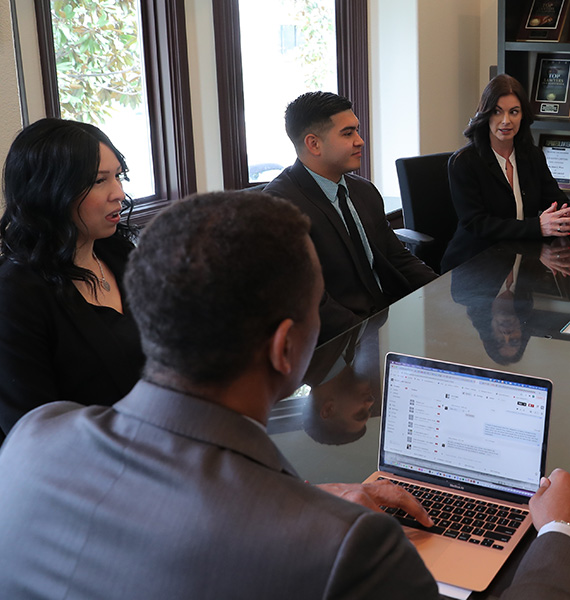
At Wade Litigation, we focus on guiding clients through family law issues with a clear, strategic approach. We recognize the stakes are personal, and our method is built on understanding your unique situation to work toward the best possible outcome for you and your family.
Our Commitment to You:
- Direct & Personalized Attention: You will work directly with our attorneys. We believe a strong attorney-client relationship is the foundation of a successful case, which is why we prioritize clear communication and are always available to answer your questions.
- Recognized for Results: Our firm and its attorneys have received numerous accolades, including "Top 10 Family Law Attorney" awards in 2023 and 2024. These honors, from organizations like Attorney & Practice Magazine and the American Institute of Family Law Attorneys, reflect our consistent dedication to our clients.
- Deep Experience in California Courts: With decades of collective experience, our team has a thorough understanding of the family courts throughout California, particularly within Santa Clara County. Our founder, Amiel L. Wade, brings a unique background as a former San Jose Police Officer, offering disciplined negotiation and courtroom advocacy skills.
- A Straightforward Financial Arrangement: We handle many cases on a contingency basis, which means you do not pay any attorney's fees unless we win your case. For all matters, we provide a clear fee structure from the start.
When an Executor Fails: Breach of Fiduciary Duty
Executors and trustees are "fiduciaries," which means they have a legal obligation to act with the highest degree of honesty and loyalty toward the beneficiaries. They must manage the estate’s assets prudently, follow the instructions in the will or trust, and act in the best interest of all beneficiaries, not themselves.
What Does a Breach of This Duty Look Like?
A breach occurs when an executor or trustee fails in this responsibility, either through intentional misconduct or simple negligence. Common examples include:
- Self-Dealing: Using estate assets for personal benefit, like selling an estate property to themselves for a low price or hiring their own company for estate work.
- Mismanaging Assets: Making risky investments, letting property fall into disrepair, or failing to properly account for all the estate's holdings.
- Commingling Funds: Mixing estate money with their own personal funds, which is strictly forbidden.
- Failing to Communicate: Keeping beneficiaries in the dark about the estate’s administration or refusing to provide a formal accounting of all transactions.
If a court finds that a fiduciary has breached their duty, it can take serious action. The judge might order the fiduciary to repay any mismanaged funds to the estate, sometimes with interest, and may remove them from their position entirely. In cases involving bad faith, the court may also order the losing party to cover the winner's attorney’s fees.
A Note on "No-Contest" Clauses
Some wills and trusts contain a "no-contest" clause, also known as an "in terrorem" clause. The idea is to discourage lawsuits by stating that if a beneficiary challenges the document and loses, they forfeit any inheritance they were supposed to receive.
However, these clauses are not airtight. California law significantly limits their power. You generally will not be disinherited for filing a lawsuit as long as you have "probable cause"—a good-faith, reasonable belief that your claim has merit based on the facts known to you at the time of filing. We can help you assess whether your claim meets this standard before moving forward.
The Financial Realities: How Is Litigation Paid For?
The potential cost of a lawsuit is a reasonable concern. In most legal disputes, under the "American Rule," each side pays its own attorney's fees, regardless of who wins. However, probate litigation has specific exceptions where the court may order one party to pay the other's fees or authorize payment from the estate itself.
Situations where fees might be recovered include:
- Bad Faith Actions: If the court finds a person wrongfully took estate property in "bad faith" or through undue influence, it has the authority to order them to pay the other side's attorney fees.
- Benefit to the Estate: If your legal action benefits the entire estate—for example, by invalidating a fraudulent will and restoring a valid one—the court may approve reimbursement of your legal fees from the estate's assets.
- Breach of Fiduciary Duty: When a trustee or executor is found to have breached their duties, they may be personally ordered to repay the estate for the legal fees incurred by the beneficiaries.
We work with clients under different fee arrangements, including hourly billing and contingency fees, depending on the specifics of the case. We will discuss all options with you upfront so you can make an informed decision.
Common Questions Our Clients Ask
How long does probate litigation take in California?
A straightforward dispute might be resolved in several months, especially through mediation. However, a highly contested case that proceeds to trial could take one to two years, or sometimes longer, depending on the court's schedule and the case's specifics.
Are there deadlines for filing a will contest?
Yes, and they are unforgiving. In most cases, you must file a contest within 120 days after the will is admitted to probate. Acting quickly is absolutely necessary to protect your rights.
What if my loved one lived elsewhere but owned property in California?
If a deceased non-resident owned real estate in California, a secondary probate process called "ancillary probate" is required in the county where the property is located. This ensures the California property is legally transferred to the correct heirs. We’re well-equipped to handle these multi-state estate matters.
Can I get a copy of the will or trust?
If a will has been filed with the court for probate, it becomes a public record. For trusts, if you are a beneficiary or an heir, you have a legal right to receive a copy from the trustee once the trust becomes irrevocable, which usually happens upon the creator's death.
Do I have to appear in court in person?
You will likely need to attend key events, such as your deposition or the trial itself. However, we handle most routine court appearances and filings on your behalf. Many California courts now also permit remote appearances for certain types of hearings, which can reduce travel time and expense.
You Have the Right to Question an Unfair Will or Trust
A suspicious document or a trustee’s questionable actions do not have to be the final word. The California legal system offers a clear path to hold people accountable and ensure the estate is handled correctly.
Don't face this alone. Our team at Wade Litigation is prepared to review the facts of your case and provide the direct guidance you need. For a confidential discussion about your situation, call us today at 888-705-5059.