Civil Litigation
California Civil Litigation Attorneys
2022 Civil litigation lawyer of the year by The American Institute of Legal Professionals!
We are your Award Winning Civil Litigators
A civil lawsuit is the formal process for resolving serious, non-criminal disagreements in California. When a business partnership sours, a contract is broken, or a personal injury occurs, the court system provides a structured framework to enforce your rights and find a resolution. It’s a way for individuals and companies to settle disputes, usually seeking financial compensation for harm done.
Feeling uncertain about what to do next is normal. The good news is that understanding how the system works is the first step toward taking control.
The team at Wade Litigation has spent years guiding Californians through these disputes. If you have questions about a civil matter, we have the answers. Call us for a clear, straightforward consultation at 888-705-5059.
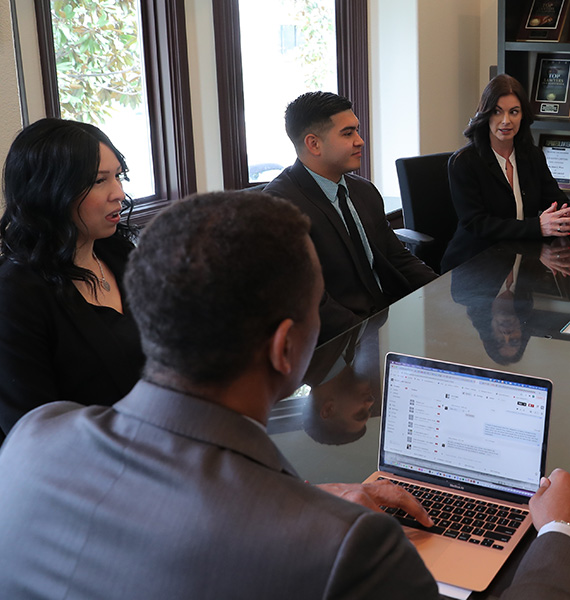
Skills Unmatched By Many Competitors
Our litigation attorneys have extensive experience litigating cases in courts throughout the state of California. We’ve handled high-profile cases and recovered multimillion-dollar verdicts, settlements and awards.

Key Takeaways for California Civil Litigation
- Strict deadlines apply and can end your case before it starts. California law sets firm time limits, called statutes of limitations, for filing a lawsuit. Missing these deadlines means you permanently lose your right to sue, no matter how strong your case is.
- Being partly at fault does not automatically kill your case. California uses a “pure comparative negligence” rule, which means you can still recover damages even if you share some responsibility for what happened. Your final compensation is simply reduced by your percentage of fault.
- The vast majority of civil lawsuits never reach a courtroom. Most cases are resolved through negotiation, mediation, or another form of alternative dispute resolution. A trial is typically the last resort.
A Client-Focused Approach to California Litigation
When you’re facing a legal challenge, you need a law firm that combines a deep understanding of California’s courts with a genuine commitment to your goals. At Wade Litigation, our practice is built on a foundation of award-winning legal representation and a systematic, client-focused approach. For over 25 years, our attorneys, led by Amiel Wade, have been recognized for their tenacious advocacy. Our firm’s work is dedicated exclusively to litigation, which means our entire focus is on resolving disputes through the legal process.
This dedicated focus translates into tangible results. We have a history of securing substantial verdicts and favorable outcomes for our clients, including judgments exceeding $11 million. Our work has earned top awards across multiple practice areas, from being named “2021 Best California Business Litigation law firm” to receiving honors in probate and family law.
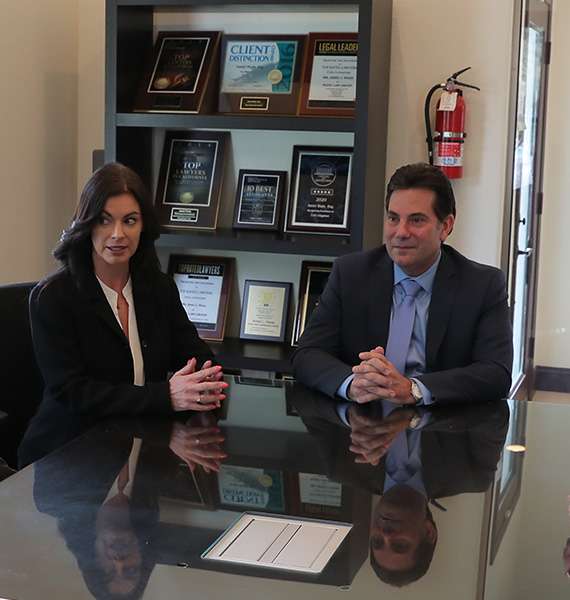
Our attorneys, including Lawyer of the Year recipient Amiel Wade and award-winning probate litigator Katerina Vita, are consistently recognized for their commitment to client satisfaction. We offer:
- Direct and Personalized Attention: We listen to your circumstances and develop a strategy tailored to your needs.
- A Record of Success: Our history includes high-value outcomes in business, probate, real estate, and personal injury cases.


The Landscape of California Civil Disputes
A civil lawsuit is a legal dispute between two or more parties seeking a resolution, which usually involves money damages or a court order to perform a specific action. Unlike criminal cases, which are pursued by the government for a public offense, civil litigation is about resolving conflicts between individuals, businesses, or other private entities.
These disputes can arise in nearly any aspect of life or business. Most civil cases in California fall into a few common categories:
- Breach of Contract: This happens when one party fails to uphold their end of a formal or informal agreement. Examples include a vendor not delivering goods after payment or a partner violating a business agreement.
- Business and Commercial Litigation: These are disputes that spring from business relationships. This can include everything from shareholder disagreements and partnership conflicts to intellectual property theft.
- Real Estate Litigation: Conflicts involving real property are common and include boundary disputes, landlord-tenant issues, construction defects, or disagreements over a purchase and sale agreement.
- Probate Litigation: This area involves disputes over wills, trusts, and estates. It typically involves family members disagreeing on the administration of a loved one’s assets after their passing.
- Family Law Litigation: These cases involve legal issues related to family relationships, such as divorce, child custody, and spousal support.
What Are the Stages of a Civil Lawsuit?
Step 1: Filing the Complaint
The process starts when the “plaintiff” files a formal document called a complaint with the appropriate California Superior Court. This document details the plaintiff’s claims against the “defendant” and specifies the relief they are seeking.
Step 2: The Defendant’s Response
Once the defendant is formally served with the complaint and a summons, they have 30 days in California to file a response. This response is usually an “answer,” which addresses the allegations. If they fail to respond, the court may issue a default judgment against them.
Step 3: Discovery
This is frequently the longest phase of a lawsuit. During discovery, both sides exchange information and gather evidence to build their cases. Common discovery tools include:
- Interrogatories: Written questions that the other party must answer under oath.
- Depositions: Oral testimony given by parties or witnesses under oath in front of a court reporter.
- Requests for Production: Formal requests for documents, emails, and other tangible evidence.
Step 4: Pre-Trial Motions and Settlement Negotiations
Before a trial, either side might file motions asking the court to rule on specific issues or even to dismiss the case. At the same time, many cases are resolved through settlement negotiations or other forms of alternative dispute resolution (ADR).
Step 5: Trial
If the case does not settle, it proceeds to trial. A trial can be before a judge (a bench trial) or a jury. Both sides present evidence, call witnesses, and make arguments. The plaintiff has the burden of proof to show it is “more likely than not” that their claims are true. After hearing all the evidence, the judge or jury will render a verdict.
Step 6: Post-Trial
Even after a verdict, the case may not be over. The losing party might file motions to challenge the verdict or file an appeal to a higher court. An appeal could extend the process by a year or more.


What Does a Civil Litigation Attorney Actually Do?
Beyond filing papers and appearing in court, a civil litigation attorney manages every phase of your case to protect your interests and build the strongest position possible. Our role is to handle the legal heavy lifting so you can focus on your life and business.
This includes:
- Investigating Your Claim: We gather facts, interview witnesses, collect documents, and identify the key pieces of evidence needed to support your case.
- Managing All Deadlines and Procedures: The legal system runs on strict deadlines. We manage the calendar, file all documents correctly and on time, and ensure every procedural rule is followed.
- Handling Discovery: We draft and respond to discovery requests, conduct depositions, and analyze the evidence produced by the other side to find strengths and weaknesses.
- Negotiating on Your Behalf: We are your advocates in settlement talks. We articulate the strengths of your case to the opposing side to pursue a fair resolution without the need for a trial.
- Representing You in Court: If a trial becomes necessary, we are your voice in the courtroom. We present your evidence, argue motions, examine witnesses, and make a clear and persuasive case to the judge or jury.
Will My Case Go to Trial? Exploring Alternatives
The reality is that very few civil lawsuits end in a trial. The court system encourages parties to resolve their disputes beforehand through Alternative Dispute Resolution (ADR). The two most common forms are mediation and arbitration.
- Mediation: A Collaborative Approach. In mediation, a neutral third-party—the mediator—helps both sides talk through their issues and find common ground. The mediator does not make any decisions; they facilitate a conversation aimed at reaching a mutually agreeable settlement. It’s a confidential, flexible, and often cheaper way to resolve a dispute.
- Arbitration: A Private Decision. Arbitration is more like a private trial. Both sides present their case to a neutral arbitrator (or a panel of them), who acts like a judge and makes a final, legally binding decision. It is more formal than mediation but generally faster and less public than a traditional trial.

What Should You Expect When It Comes to Costs?
The reality is that very few civil lawsuits end in a trial. The court system encourages parties to resolve their disputes beforehand through Alternative Dispute Resolution (ADR). The two most common forms are mediation and arbitration.
- Mediation: A Collaborative Approach. In mediation, a neutral third-party—the mediator—helps both sides talk through their issues and find common ground. The mediator does not make any decisions; they facilitate a conversation aimed at reaching a mutually agreeable settlement. It’s a confidential, flexible, and often cheaper way to resolve a dispute.
- Arbitration: A Private Decision. Arbitration is more like a private trial. Both sides present their case to a neutral arbitrator (or a panel of them), who acts like a judge and makes a final, legally binding decision. It is more formal than mediation but generally faster and less public than a traditional trial.

How Do Attorneys Charge for Civil Litigation?
There’s no one-size-fits-all pricing model. How much you’ll pay, and how you’ll pay, depends heavily on the type of case, the amount of legal work involved, and the fee structure your lawyer offers.
Most civil litigation attorneys use one of two main fee models:
- Hourly Billing: The attorney charges by the hour for all time spent on the case, from court appearances to writing motions to settlement talks.
- Flat Fees or Retainers: For smaller matters or specific stages of a case, some attorneys may offer flat fees. A retainer, a lump sum paid upfront, is often used in hourly billing models as an advance against future work.
What Are the Other Costs Involved?
Even outside of attorney fees, civil litigation comes with out-of-pocket expenses that clients should plan for. These are usually billed separately.
Common litigation costs include:
- Filing Fees: Charged by the court when you start a case or file certain motions.
- Service of Process Fees: Paying a professional to officially deliver legal documents to the other party.
- Court Reporter and Transcript Fees: Especially during depositions or trials.
- Expert Witness Fees: If your case needs expert opinions (like accountants, medical professionals, or engineers), their time is billed and often significant.
- Discovery Costs: Copying, scanning, electronic records retrieval, and other expenses that come up during the evidence-gathering phase.
- Travel Expenses: In some cases, travel may be necessary for depositions or court appearances.
Can the Other Side Be Ordered to Pay?
Sometimes, yes, but it depends.
California follows the “American Rule,” which generally means each side pays their own attorney fees. There are exceptions, though. Certain contracts, court rules, or statutes allow the winning side to recover legal fees or costs from the losing side. But it’s never guaranteed.
That’s why we work with you upfront to build a strategy that factors in the legal and financial risk of every step.
We Plan for Costs So You Don’t Get Surprised
Our firm believes that financial clarity should never be an afterthought. From your first consultation, we explain how fees work, what expenses are likely, and how we can structure the case in a way that works for your situation.
Steps You Can Take to Strengthen Your Position
While your legal team handles the formal court procedures, there are several things you can do to help build a strong case.
- Keep Meticulous Records: Organize all documents related to your case, including contracts, emails, letters, receipts, and photos.
- Create a Timeline: Write down a detailed, chronological account of what happened. Include dates, times, locations, and the names of anyone involved.
- Avoid Discussing Your Case: Do not post about your legal dispute on social media or discuss it with anyone other than your attorneys. Anything you say or write could be used as evidence.
- Stay in Touch With Your Lawyer: Keep us updated on any new developments. Open communication is a key to a successful partnership.


Answers to Common Questions About Civil Litigation in California
What is the statute of limitations for filing a civil lawsuit in California?
A statute of limitations is a legal deadline to file a case. In California, this deadline changes depending on the type of case. For example, a breach of a written contract claim is typically four years. It’s always best to consult with a lawyer to determine the eligibility of your case.
Are civil litigation cases in California handled in state or federal court?
Most civil cases, like contract or real estate disputes, are handled in California’s state superior courts. Federal courts have jurisdiction over specific types of cases, such as those involving federal laws (like intellectual property) or disputes between citizens of different states.
Don't Let a Legal Dispute Derail Your Future
A legal conflict doesn’t have to put your life or business on hold indefinitely. The civil justice system provides a clear path forward, but you shouldn’t have to walk it alone.
You don’t have to guess about your options. The next step is a simple phone call. Talk to our team at Wade Litigation for a straightforward evaluation of your case.
Contact our California civil litigation attorneys at 888-705-5059 today.
